引言(他人介绍):
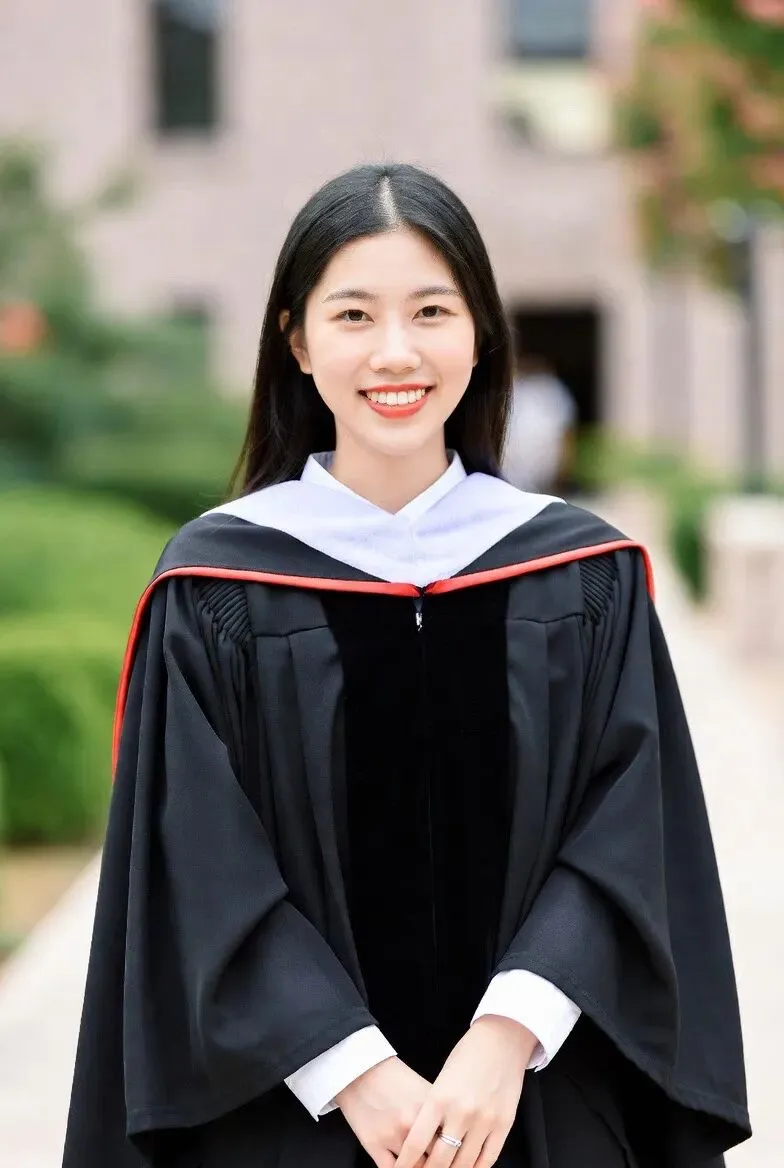
接下来,我很荣幸地介绍我们2026年的学生演讲者,陈睿思(Ruisi Chen)。
正如你们可能已经猜到的,睿思即将从媒体、医学与健康理学硕士项目毕业。这是一个跨学科项目,通过讲故事、沟通和患者体验来探索健康不平等问题。
睿思出生于中国深圳,在纽约、哥本哈根和柏林学习战略设计后来到哈佛。
在哈佛,她通过临床工作流程、护理交付和媒体基础设施的研究,探讨医疗保健系统如何塑造护理体验。毕业后,她将前往布朗大学继续深造。睿思,请上台。
陈睿思演讲全文:
谢谢你,Johanna。
下午好,老师们、家人、朋友们,以及我亲爱的同学们。
我上次演讲还是小学二年级的时候,那是一个深圳60华氏度(约15.5℃)的“冬天”下午。想象一下,那时的我矮了好几英寸,还留着刘海。
我说的第一句话,可能比现在少一些紧张的颤抖,就是我妈妈一直告诉我:“先做人,后做学问。”
16年过去,我漂洋过海,今天很荣幸能和大家站在这里,一起庆祝我们从哈佛医学院毕业。
我想和大家分享我在哈佛学到的两件事。第一,60华氏度根本不算冬天——波士顿让我彻底明白了这一点。第二,先做人,再做学问。
我们每个人在这里度过的时光,其实都在学习同一个道理。我们通过不同的路径来到这里,也将带着不同的学位离开。有些人研究分子,有些人研究数据,有些人研究伦理、媒体、教育、政策和安全。
在每一条路径上,我相信我们都面对同一个问题:我们如何用所学去帮助那些正在受苦的人?
我们的技术能力前所未有。我们可以在几小时内完成基因组测序,可以实时成像大脑,可以改造细胞、模拟疾病。就在这条街上,我们有世界上最顶尖的四家医院,然而痛苦依然存在——在这个城市、这个国家,以及全世界。
我们常常在“能做什么”和“能触及谁”之间存在差距。这是我从同学Imani Fonfield那里学到的。Imani研究波士顿黑人儿童的哮喘不平等问题。她的项目是为了纪念她的姐姐Joi Farnfield。Joi因哮喘发作去世,离我们所在的地方不远。
Imani问:在拥有这么多医院的城市,一个孩子死去意味着什么?今天Imani和她的母亲在这里庆祝。她们在纪念Joi,也在纪念Imani带到研究中的个人故事。Joi本该和我们一起在这里。
Imani,这位幸存的姐姐提醒我:先做人再做学问,就是要问谁无法自由呼吸,我们必须为此做些什么。我们必须先做人,再做学问。
Paul Farmer曾经说过:“认为某些生命价值更低的想法,是世界上一切错误的根源。”我们知道这一点。我们知道痛苦的分布并不平等,我们知道医疗可及性并不均衡。因此,我们在这里接受的教育,不能仅仅止步于专业知识。当然,还有助学贷款。
作为哈佛医学院的毕业生,我们不仅被训练去理解世界,更是被训练去改变它。我想特别提到我们全球健康交付项目(Global Health Delivery Program)的同学们——这个项目由Farmer医生和Joia Mukherjee医生共同创立。他们一生致力于将这个校园里所有了不起的发现,带给世界上最不幸的人们。这就是“先做人,再做学问”的含义。
但我们无法独自完成这一切。Farmer医生还说过:“除了极少数例外,你们在这个星球上最重要的成就,都将来自与他人合作,而不仅仅是与教室和实验室里的人。”我们是被家人和朋友带到这里的,有些人在现场,有些人无法前来。
在我们第一天来到哈佛医学院时,教授Jason Silverstein博士让我们想想:谁会为我们来到哈佛而感到非常自豪。现在,毕业生们,请闭上眼睛,忽略这炎热的天气,花一点时间,想想那个会为你们从哈佛医学院毕业而感到无比自豪、却无法来到这里的人。
我想到了我的妈妈——和小学二年级那次演讲不同,她今天没能来到这里。妈妈,你好。
2026届的同学们,当我们走向世界,当我们设计新的疗法、训练新的模型,当我们陪伴患者直到他们不再需要,当我们挑战那些辜负他们的政策和资金时,我希望我们永远记住那些带我们来到这里的人,以及那些仍在等待我们所知去抵达他们生命的人。
先做人,再做学问。
祝贺2026届毕业生!
备注:
• 演讲核心主题是“先做人,后做学问”(Be a person before a scholar),呼应了她母亲的教导,强调人文关怀与技术能力的结合。
• 全文基于YouTube官方视频的字幕/转录整理,翻译力求忠实原意。 youtube.com
英文全文(Harvard Medical School Master’s Convocation 学生演讲,2026年5月27日
Introduction (by another speaker):
Next, I have the privilege of introducing our 2026 student speaker, Ruisi Chen.
As you can probably tell, Ruisi is graduating from the Master of Science in Media, Medicine, and Health.
This is an interdisciplinary program that explores health disparities through storytelling, communication, and patient experience.
Born in Shenzhen, China, Ruisi came to Harvard after studying strategic design in New York, Copenhagen, and Berlin.
At Harvard, Ruisi studies how health care systems shape care experience through research on clinical workflow, care delivery, and media infrastructure.
After graduation, she’ll be heading to Brown to continue her studies. Ruisi, please come to the podium.
Ruisi Chen’s Speech:
Thank you, Johanna.
Good afternoon, faculty, family, friends, and my fellow graduates.
The last time I gave a speech was in the second grade on a 60-degree winter afternoon in Shenzhen, China. So imagine me, several inches shorter with bangs.
And the first thing I said, probably with less shakes of nervousness in my voice than now, was that my mother always told me: “先做人,后做学问” (Be a person before a scholar).
16 years and an ocean later, I’m honored to be standing here with you all as we celebrate our graduation from Harvard Medical School.
I’d like to share two things that I learned from here. First, 60 degrees is not winter. Boston made that very clear. Second, be a person first, before a scholar.
Each of us have spent our time here learning some version of the same thing. We arrived here through different paths and we will leave with different degrees. Some of us study molecules, some data, some ethics, media, education, policies, and safety.
Across every path, I believe we’re all faced by a common question: How do we use what we know to help the people who are suffering?
Our technical capacity has never been greater. We can sequence the genome in hours. We can image a brain in real-time. We can engineer cells and model diseases.
Right here on this very street, we have four of the world’s greatest hospitals, and still suffering remains all around us — in this city, in this country and across the world.
Too often there is a gap between what we can do and who we reach. This is something that I learned from my classmate, Imani Fonfield. Imani studies asthma disparities for Black children in Boston.
Her project is a tribute to her sister, Joi Farnfield. Joi died from an asthma attack not too far from where we are. Imani asks, what does it mean for a child to die in a city with so many hospitals.
Imani and her mother are here today celebrating. They’re celebrating Joi’s memories and the personal stories that Imani brings to her research. Joi should be here with us today.
Imani, survivor sister reminds me that to be a person before a scholar is to ask who cannot breathe freely and what must we do about it. We must be people before scholars.
Paul Farmer once said, “the idea that some lives matter less is the root of all that is wrong with the world.” We know this. We know suffering is not distributed equally. We know health access is uneven. So our education here cannot end with just expertise. And of course, it’s still loans.
As graduates of Harvard Medical School, we’ve been trained to not only interpret the world, but to change it. I think our classmates in the Global Health Delivery Program — a program that Dr. Farmer helped found with Dr. Joia Mukherjee — dedicated their lives to carrying all of the incredible discoveries made on this campus to the least fortunate people in the world. That’s what it means to be a person before a scholar.
But we can’t do this alone. Dr. Farmer also said, “with rare exceptions, all of your most important achievements made on this planet will come from working with others, and not just with the people in our classrooms and labs.” We were carried here by families and friends, some who are here, some who cannot be.
On the first day they arrived at Harvard Medical School, our professor, Dr. Jason Silverstein, asked us to think about someone who will be very proud that we were at Harvard.
Now, graduates, I’d like you to close your eyes, ignore the heat and take a moment to think about someone who will be very, very, very proud of you for graduating from Harvard Medical School who can’t be here today.
I’m thinking of my mother, unlike my second grade speech, she cannot be here today. Hey, Mom.
Class of 2026, as we go out into the world, as we design new therapies and train new models, as we sit with patients for as long as they need us, as we challenge the policies and the fundings that fail them, I hope we always remember the people who brought us here, and the people who are still waiting for what we know to reach their lives. Be a person before a scholar.
Congratulations Class of 2026.