顾美娣博士于浙江大学获得免疫学博士学位,随后赴美国MD安德森癌症中心免疫学系从事博士后研究。此后,顾博士加入宾夕法尼亚大学细胞免疫治疗中心担任高级研究员。2026年4月,加入深圳医学科学院人类免疫学研究所,任特聘研究员。
顾博士长期聚焦T细胞抗肿瘤免疫的机制研究与免疫治疗转化。其研究系统性地阐明了T细胞内信号网络与代谢重编程的协同调控机制,并进一步拓展至细胞膜界面,揭示了膜转运功能障碍在T细胞功能失调中的关键作用。在此基础上,围绕T细胞膜功能重塑开展工程化改造,发展了面向实体肿瘤治疗的新型CAR-T细胞策略。相关工作为膜信号调控在免疫治疗中的应用提供了重要参考。
Dr. Meidi Gu received her Ph.D. from Zhejiang University, followed by postdoctoral training at MD Anderson Cancer Center. Following this, she joined the Center for Cellular Immunotherapy at the University of Pennsylvania as a Senior Research Investigator. In April 2026, she joined Institute of Human Immunity at SMART as a junior Investigator.
Dr. Gu’s research has long focused on the mechanistic study of T cell anti-tumor immunity and its translational application in immunotherapy. Her work explores T cell signaling crosstalk and membrane functional regulation, identifying how membrane dysregulation drives T cell dysfunction and applying these insights to engineer novel CAR-T strategies for solid tumors. Her collective work provides insights into the application of membrane signaling regulation in immunotherapy.
课题组研究方向
Research Directions
课题组致力于探究疾病组织微环境中细胞膜动态重塑调控T细胞功能的分子机制,并据此开发新一代靶向细胞膜的工程化免疫疗法。通过整合涵盖小鼠模型、人源化模型及多组学分析的研究体系,结合合成生物学手段,重点开展以下研究方向:
1. T细胞新型膜蛋白的功能解析与功能重塑;
2. 基于膜生物学新发现的细胞免疫治疗策略开发与转化。
Gu lab will focus on investigating the underlying mechanisms by which cell membrane remodeling regulates T cell function within the diseased tissue microenvironment. Based on these mechanistic insights, we develop next-generation engineered immunotherapies targeting the cell membrane. By integrating murine models, humanized systems and multi-omics analysis with synthetic biology approaches, we focus on the following research directions:
1. Functional characterization and remodeling of novel T-cell membrane proteins.
2. Designing and optimizing innovative cell therapy protocols based on new discoveries in membrane biology.
代表文章
Representative Publications
1. Meidi Gu*, Kaitlin A. Read, Vipin Bhardwaj, Edmund J. Carvalho, David Padron Nardo, Justin C. Shayne, Divanshu Shukla, Wei Liu, Donald L. Siegel, Neil C. Sheppard, Michael C. Milone, Adam D. Cohen, Alfred L. Garfall, and James L. Riley*. Rab5 Improves CAR T Cell Efficacy via Reducing Fratricide and Maintaining Surface CAR Levels. (*first and co-corresponding author, accepted, Journal of Experimental Medicine, 2026).
2. Meidi Gu #, Xiaofei Zhou #, Jee Hyung Sohn, Lele Zhu, Zuliang Jie, Jin-Young Yang, Xiaofeng Zheng, Xiaoping Xie, Jie Yang, Yaoyao Shi, Hans D Brightbill, Jae Bum Kim, Jing Wang, Xuhong Cheng, Shao-Cong Sun. NF-κB-inducing kinase maintains T cell metabolic fitness in antitumor immunity. Nat Immunol. 22, pages 193–204 (2021).
3. Lele Zhu *, Xiaofei Zhou, Meidi Gu, Jiseong Kim, Yanchuan Li, Chun-Jung Ko, Xiaoping Xie, Tianxiao Gao, Xuhong Cheng, Shao-Cong Sun. Dapl1 controls NFATc2 activation to regulate CD8+ T cell exhaustion and responses in chronic infection and cancer. Nat Cell Biol. 2022 Jul;24(7):1165-1176.
4. Zuliang Jie, Chun-Jung Ko, Hui Wang, Xiaoping Xie, Yanchuan Li, Meidi Gu, Lele Zhu, Jin-Young Yang, Tianxiao Gao, Wenjuan Ru, Shao-Jun Tang, Xuhong Cheng, Shao-Cong Sun. Microglia promote autoimmune inflammation via the noncanonical NF-κB pathway. Sci Adv. 2021 Sep 3;7(36):eabh0609.
5. Lele Zhu, Yanchuan Li, Xiaoping Xie, Xiaofei Zhou, Meidi Gu, Zuliang Jie, Chun-Jung Ko, Tianxiao Gao, Blanca E Hernandez, Xuhong Cheng, Shao-Cong Sun. TBKBP1 and TBK1 form a growth factor signaling axis mediating immunosuppression and tumorigenesis. Nat Cell Biol. 02 Dec. 2019, 21(12):1604-1614.
6. Zuliang Jie, Jin-Young Yang, Meidi Gu, Hui Wang, Xiaoping Xie, Yanchuan Li, Ting Liu, Lele Zhu, Jianhong Shi, Lingyun Zhang, Xiaofei Zhou, Donghyun Joo, Hans D Brightbill, Yingzi Cong, Daniel Lin, Xuhong Cheng, Shao-Cong Sun. NIK signaling axis regulates dendritic cell function in intestinal immunity and homeostasis. Nature Immunology. volume 19, pages 1224–1235 (2018).
7. Meidi Gu, Zhiyong Liu, Rongrong Lai, Si Liu, Wenlong Lin, Chuan Ouyang, Sheng Ye, He Huang, Xiaojian Wang. RKIP and TBK1 form a positive feedback loop to promote type I interferon production in innate immunity. EMBO J. 2016 Dec 1;35(23):2553-2565.
8. Meidi Gu, Ting Zhang, Wenlong Lin, Zhiyong Liu, Rongrong Lai, Dajing Xia, He Huang, Xiaojian Wang. Protein phosphatase PP1 negatively regulates the Toll-like receptor- and RIG-I-like receptor-triggered production of type I interferon by inhibiting IRF3 phosphorylation at serines 396 and 385 in macrophages. Cell Signal. 2014 Dec;26(12):2930-9.
9. Chuan Ouyang*, Li Nie*, Meidi Gu*, Ailing Wu, Xu Han, Xiaojian Wang, Jianzhong Shao, Zongping Xia. TGF-β-activated kinase 1 (TAK1) Activation Requires Phosphorylation of Serine 412 by Protein Kinase A Catalytic Subunit α (PKACα) and Protein Kinase X (PRKX). J Biol Chem. 2014 Aug 29;289(35):24226-37. (*co-first author).
我们写国自然基金标书的时候,直接参考别人中过的热点,别人这样写,你就靠着写,也会中的。所以,关键点就是在于有没有最新的中标的标书用来参考。现在,大量2025年国自然基金标书流出!
今天,科学部给大家免费分享:“2025年国自然标书中标清单+标书全文+杰青优青申报PPT”。点击下方《科研之地》公众号关注后发送“2025基金”即可免费获取:
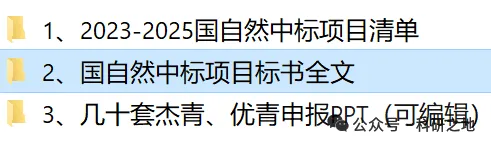
是免费发送的,一共包括三大资料:
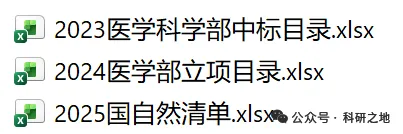
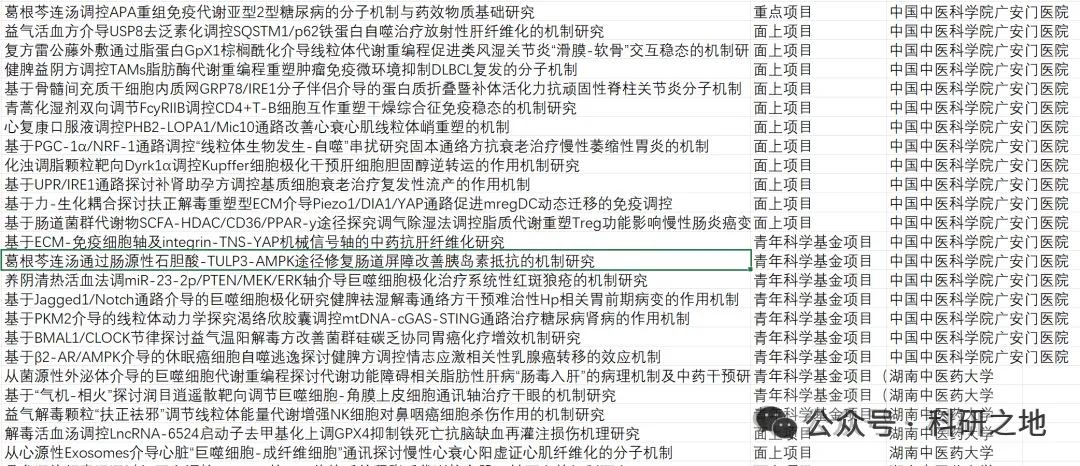
1、2023-2025国自然中标项目清单:
这些清单都是生物+医学的哈,从2023年到2025年,2023和2024年是全的,2025只是部分(还在继续更新),
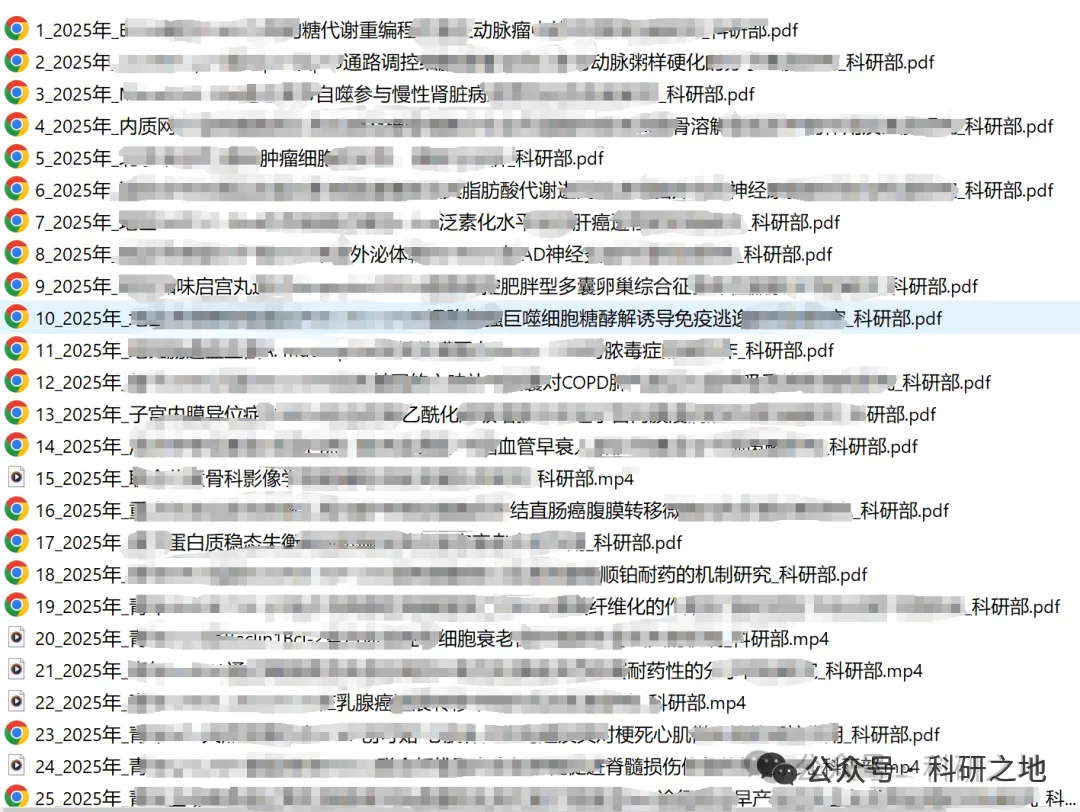
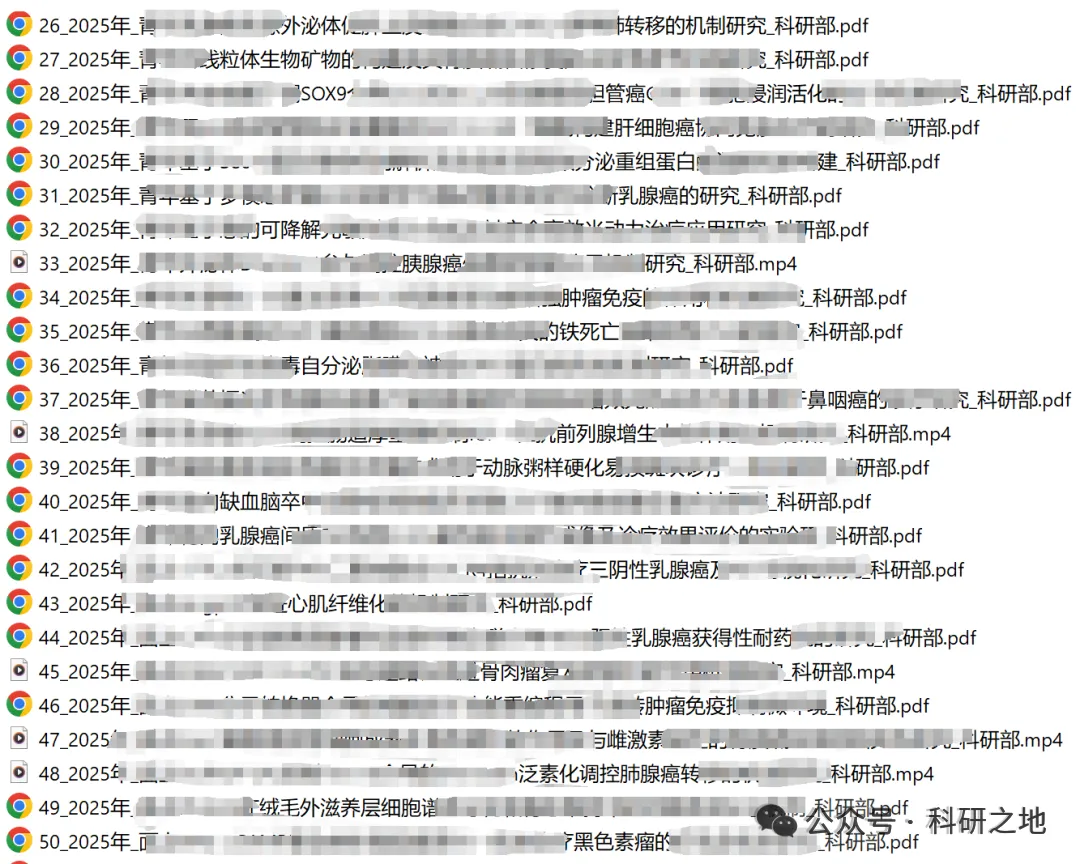
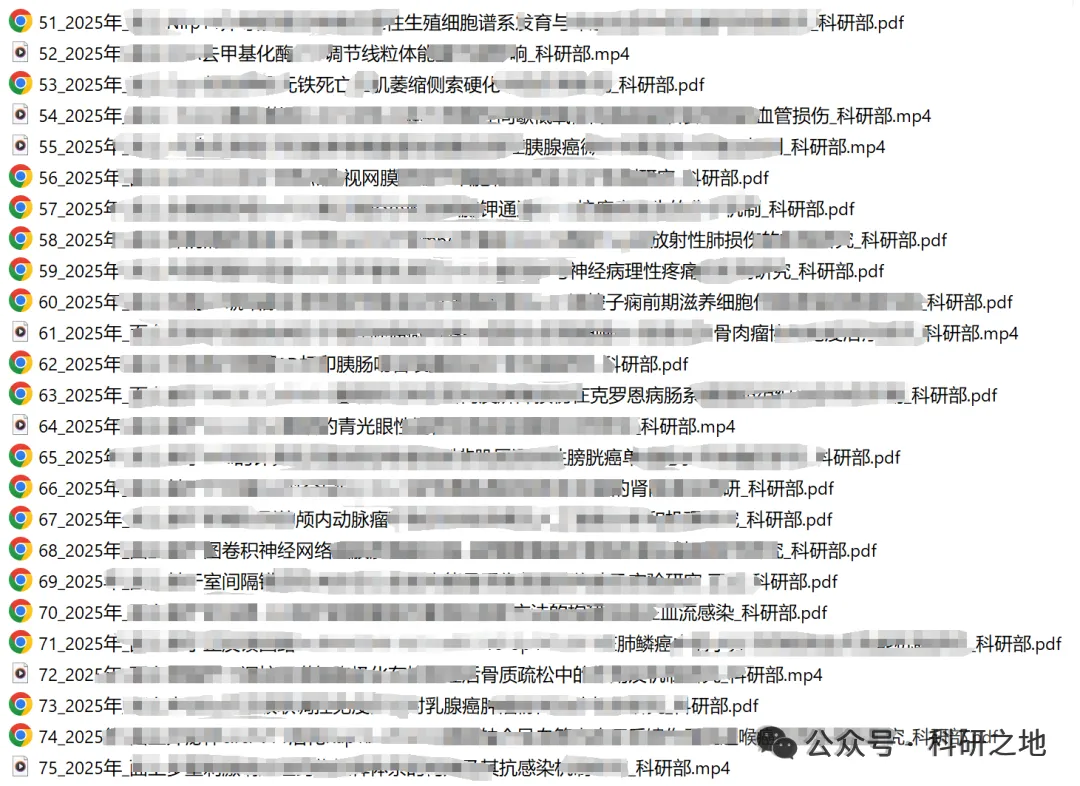
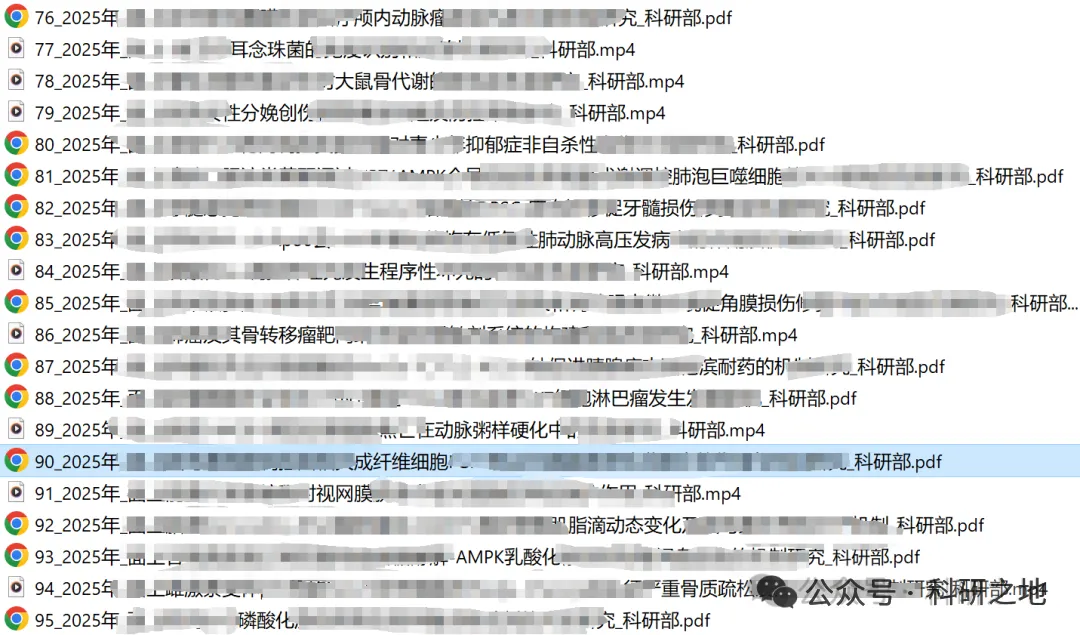
2、国自然中标项目标书全文:
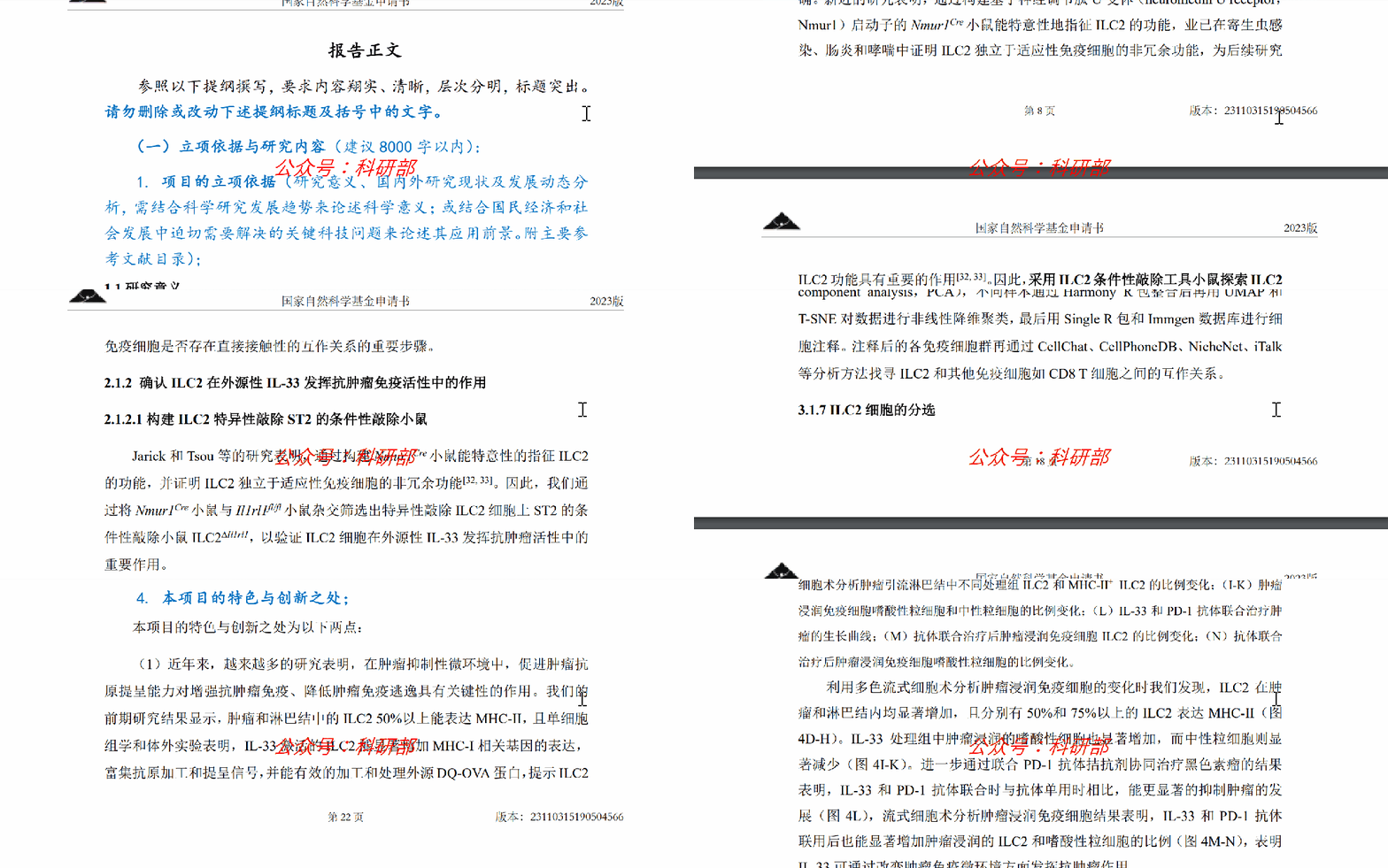
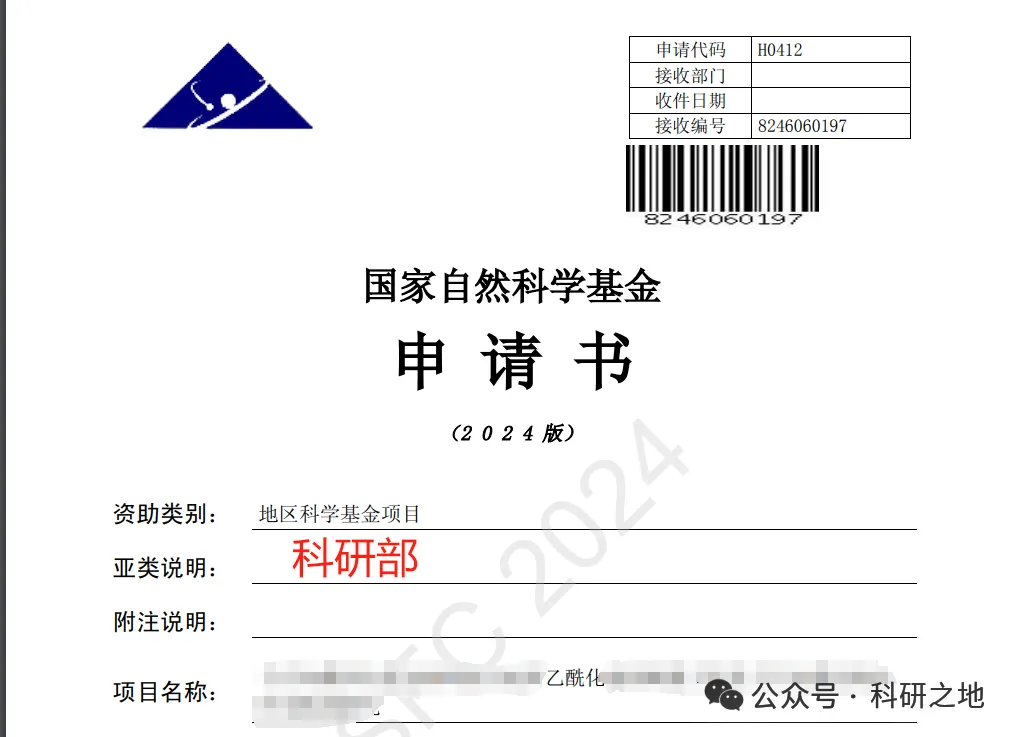
一共是95份2023年到2025年的已经中标后的国自然标书。也都是生物+医学的,最近在写标书的可以参考起来了,都是非常好的标书,比如糖代谢,代谢重编程,蛋白稳态,疾病耐药,早产,心肌梗死,外泌体,PCOS,早衰,肾病,血管瘤,乳腺癌,骨病,泛素化,乙酰化,铁死亡,免疫逃逸,等等。都是非常新的标书,比如2024年申请的,2025年开始研究的这个乙酰化标书:
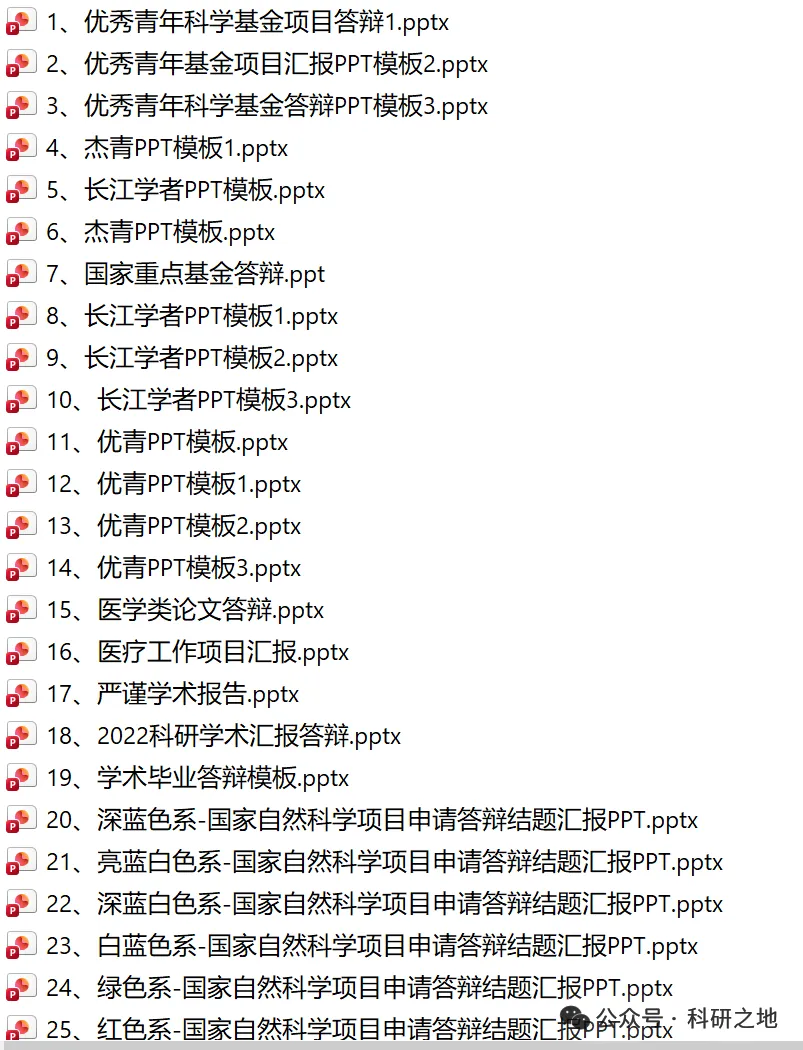
3、几十套杰青、优青申报PPT(可编辑)
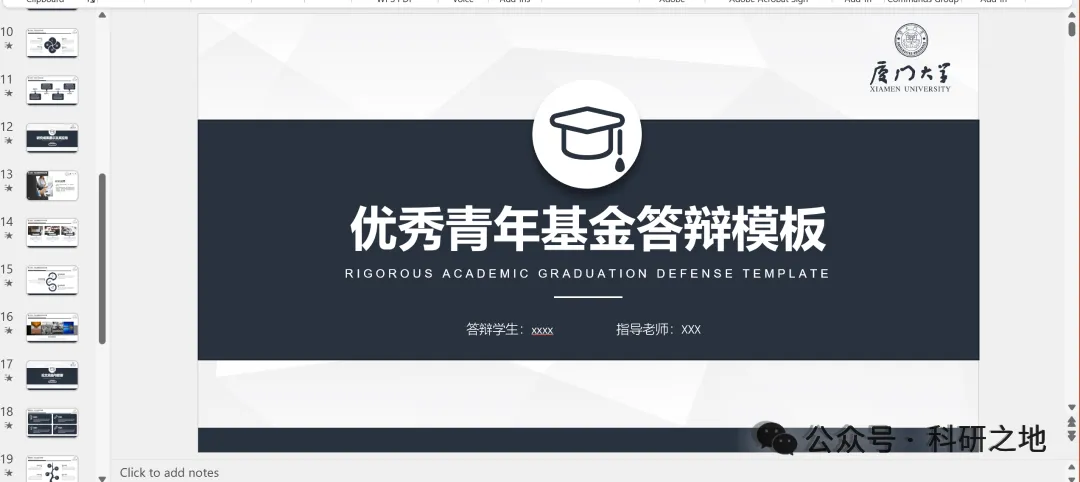
每一份PPT都是25-30张slides左右,如下:
都是一些申报成功的PPT,所以才分享给大家,大家按照PPT的思路,将内容换成自己的就行。
“2025年国自然标书中标清单+标书全文+杰青优青申报PPT”,点击下方《科研之地》公众号关注后发送“2025基金”即可免费获取:


 10个月宝宝每天需要喝多少奶粉?

