近日,一艘搭载五台尖端设备的试验飞船在酒泉卫星发射中心升空,这些设备专为应对太空健康风险而研制。此次发射让我们距离实现太空医院的梦想更近一步。
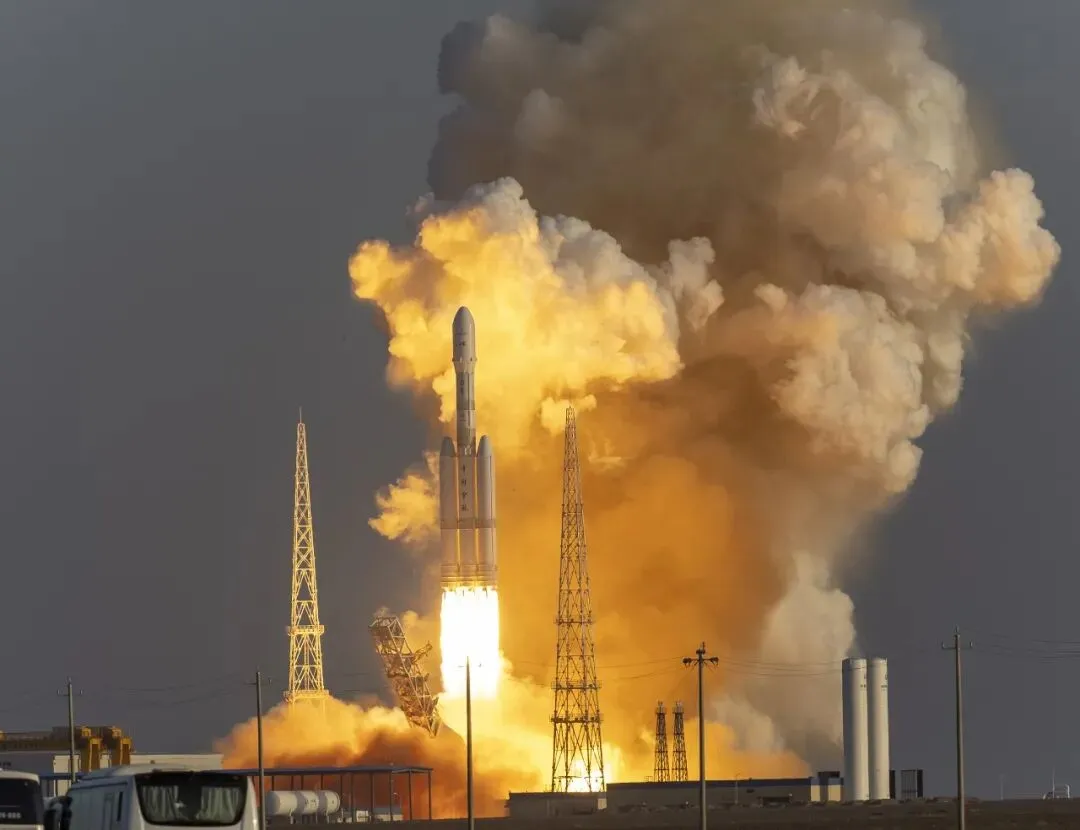
Recently, an experimental spacecraft lifted off from the Jiuquan Satellite Launch Center carrying five cutting-edge devices built to tackle health risks in space. The flight brings us closer to turning the space hospital dream into reality.3月30日19时00分,力箭二号遥一运载火箭在酒泉卫星发射中心东风商业航天创新试验区发射升空,将搭载的新征程01卫星、新征程02卫星和天视卫星01星共3颗卫星顺利送入预定轨道。深圳理工大学5件前沿设备搭载试验飞船升空,将进行三年在轨试验。曹红祖摄
该项目由深圳理工大学牵头主导,相关设备将在未来三年开展在轨测试。
The project is led by the Shenzhen University of Advanced Technology, and the equipment will undergo in-orbit tests over the next three years.该校党委书记朱迪俭表示,随着全球太空探索竞争日趋激烈,航天员的健康已成为重要研究课题,中国正稳步推进技术攻关、填补空白。
Zhu Dijian, the university's Party secretary, noted that as global competition in space exploration heats up, astronaut health has become a major research focus, and China is steadily working to fill in technological gaps.该校与中国科学院微小卫星创新研究院签约共建未来太空医院,旨在提升在轨健康监测和疾病治疗能力,为航天员及未来太空游客提供保障。
The university is partnering with the Innovation Academy for Microsatellites of the Chinese Academy of Sciences to develop a future space hospital, with the goal of improving in-orbit health monitoring and treatment to support astronauts and future space tourists.该校未来医学中心执行主任、临床医学院院长徐志明介绍,太空环境对人体影响显著:微重力会导致骨质流失、肌肉萎缩并损害心血管健康;辐射会损伤皮肤与内分泌系统、影响睡眠;狭小的生活空间也会给心理健康带来压力。
According to Xu Zhiming, president of the university's College of Clinical Medicine and executive director of its Future Medical Center, space conditions are tough on the human body: microgravity causes bone density boss and muscle atrophy and harms cardiovascular health; radiation damages skin and the endocrine system and affects sleep; and the tight living space can take a toll on mental health.中国计划在2030年前实现载人登月,并支持商业太空旅行发展,这意味着太空医疗保障的需求将持续增长。
China plans to land astronauts on the moon by 2030 and is supporting the growth of commercial space travel, meaning demand for in-space medical support will only go up.这五台设备从内部零件到材料均为太空环境量身定制,可实时向地球回传数据,本次任务将测试其在轨运行效果。
All five devices are custom-designed for the space environment, from internal parts to materials, and can send data back to Earth in real time. This mission will test how well they work in orbit.后续还将在太空开展动物乃至人体的相关试验。
Further tests will later be carried out on animals and even humans.中国科学院院士、该校未来医学中心主任顾瑛研制了一款接触式紫外无创光疗仪,可模拟日光帮助航天员维持维生素D水平。在太空,人体骨密度每月会下降1%至2%,因此维生素D与锻炼、药物干预结合,对骨骼健康至关重要。
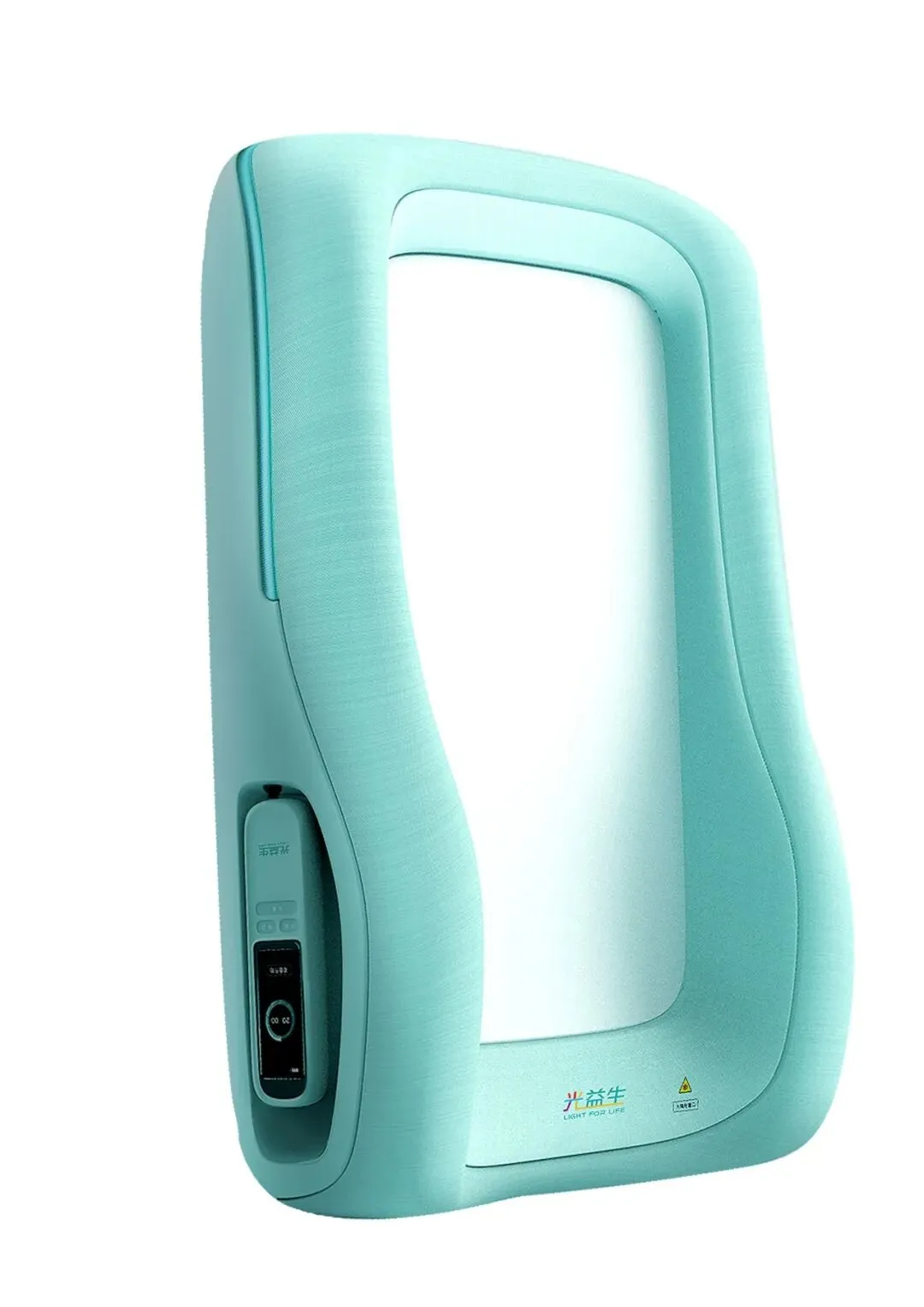
A non-invasive UVB therapy was developed by CAS Academician Gu Ying, who is also director of the Future Medical Center. It simulates sunlight to help astronauts maintain their vitamin D levels. In space, bone density can drop 1 percent to 2 percent each month, so vitamin D is essential for protecting bone health, alongside exercise and medication.接触式紫外无创光疗仪供图
另一款难愈性创伤等离子体综合治疗仪可加速伤口愈合、降低感染风险,且无需液体或凝胶介质,不会在失重环境下飞溅或污染舱体。
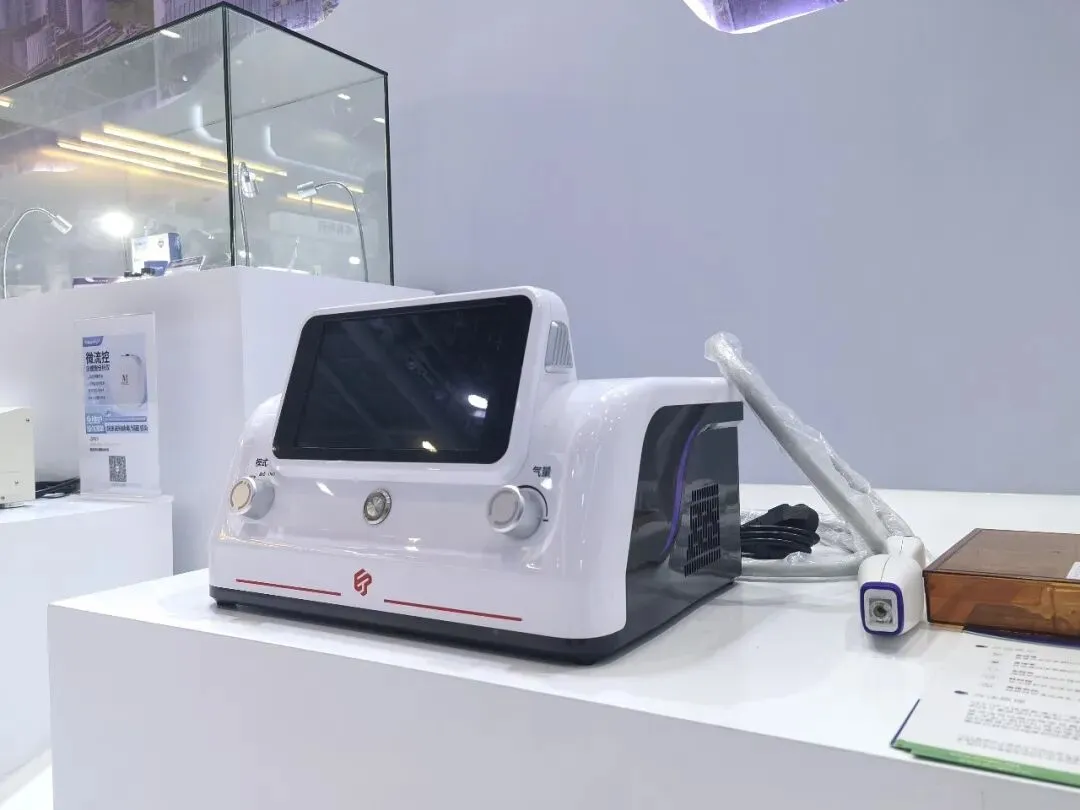
Another device, this one for plasma therapy, helps wounds heal faster and lowers the risk of infection without needing liquids or gels, so it won't splash or contaminate the cabin in zero gravity.难愈性创伤等离子体综合治疗仪 供图
此外还有微流控白细胞分析仪,仅需一滴血即可在一分钟内分辨病毒或细菌感染。
There's also a microfluidic analyzer that identifies viral or bacterial infections in just one minute using a single drop of blood.该团队正研发更多小巧便携、操作简便的太空诊疗与康复医疗设备。
The team is developing more compact and easy-to-use medical devices for space diagnosis, treatment, and rehabilitation.未来,太空旅行者将学习使用这些设备,并可在需要时咨询AI医生与地面医学专家。
In the future, space travelers will learn to use these devices and consult AI doctors and ground medical experts when needed.徐志明展望,未来医疗航天器将成为空间站与商业飞船的移动医院,月球及其他星球也将建设医疗设施。
Xu envisions medical spacecraft serving as mobile hospitals for space stations and commercial spaceships, with medical facilities also built on the moon and other planets.徐志明表示,这项研究也将造福地球人类。例如,干细胞在太空环境中活性更高,有助于延缓衰老、加速康复。未来,一些地球上难以治愈的疾病或许能在太空中得到解决。
Best of all, the research will benefit people on Earth too. For example, stem cells are much more active in space, which helps slow the aging process and speed up rehab. One day, diseases that can't be cured on Earth might be treated in space, according to Xu.目前,已有中国商业航天企业以及英国、俄罗斯的高校接洽,希望开展后续合作。
Several commercial Chinese aerospace companies, as well as universities in the UK and Russia, have already reached out for future cooperation.截至周四,“深圳把医院建到太空了”在新浪微博上已获得464万阅读量。有网友评论道:“感觉科幻照进现实,太震撼了!现代科技简直超乎想象。”
As of Thursday, the topic "Shenzhen builds a hospital in space" had garnered 4.63 million hits on Chinese social media platform Sina Weibo. "It feels like science fiction has come to life. It's truly amazing! Modern technology is simply beyond imagination," a user commented.记者:陈美玲 陈虹
跟着China Daily
精读英语新闻
“无痛”学英语,每天20分钟就够!
↓↓↓