深圳湾实验室陈杰安/香港科技大学黄湧/深圳技术大学任之ACS Catal.:双功能NHC催化高烯醇酯的对映、非对映选择性发散性烷基化反应
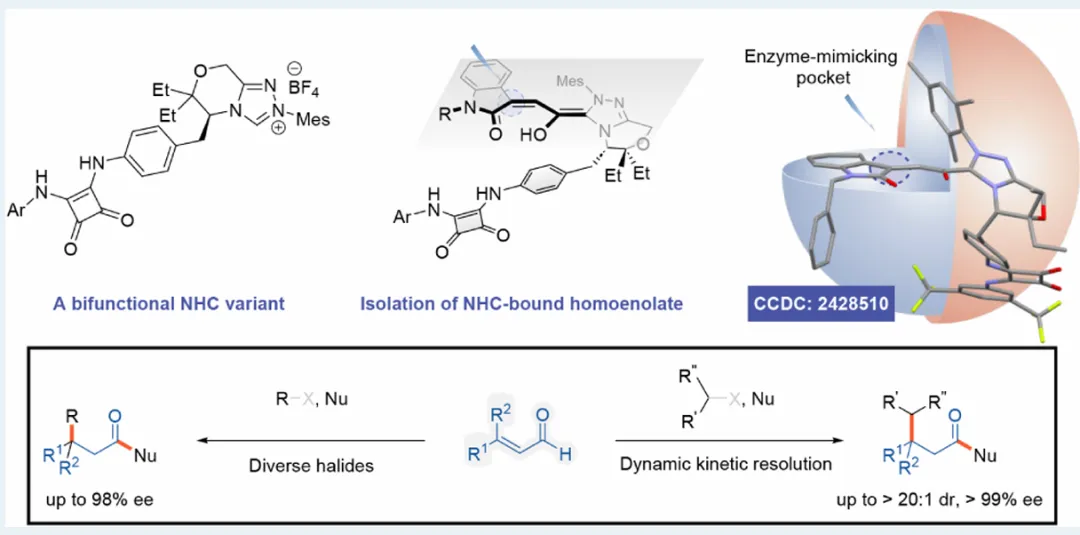
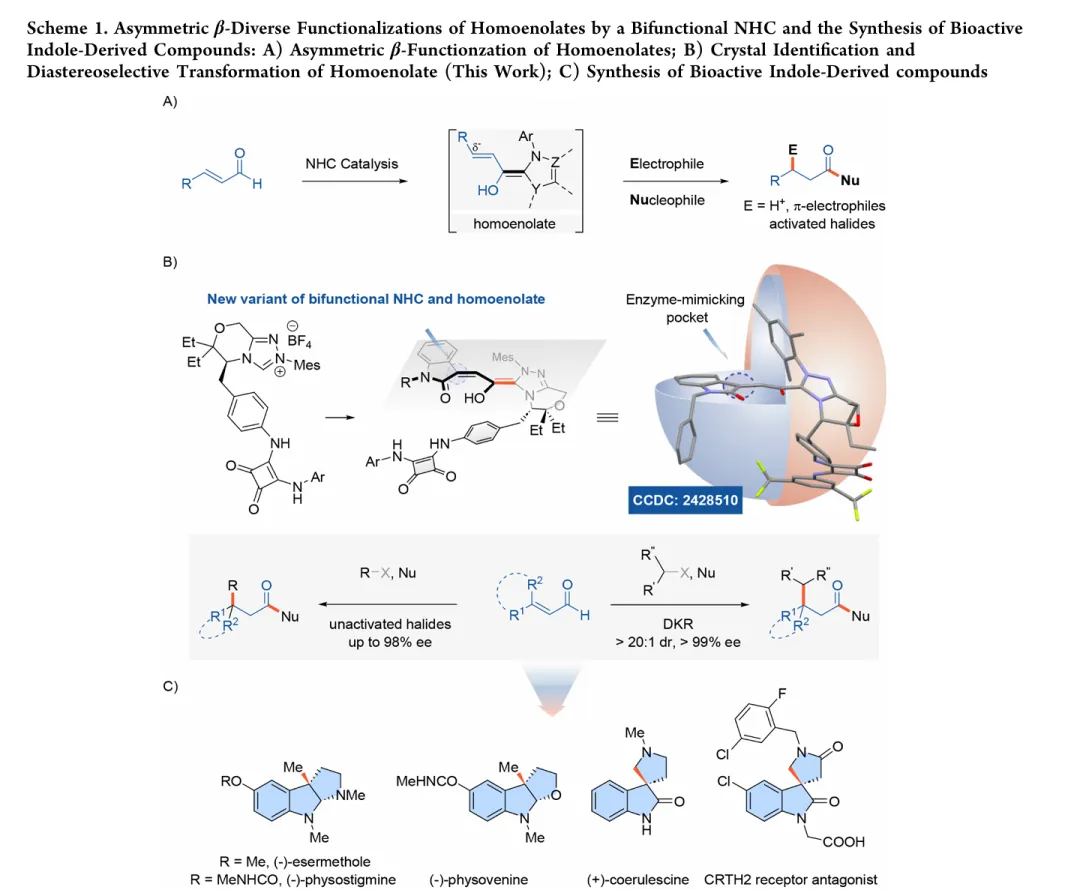
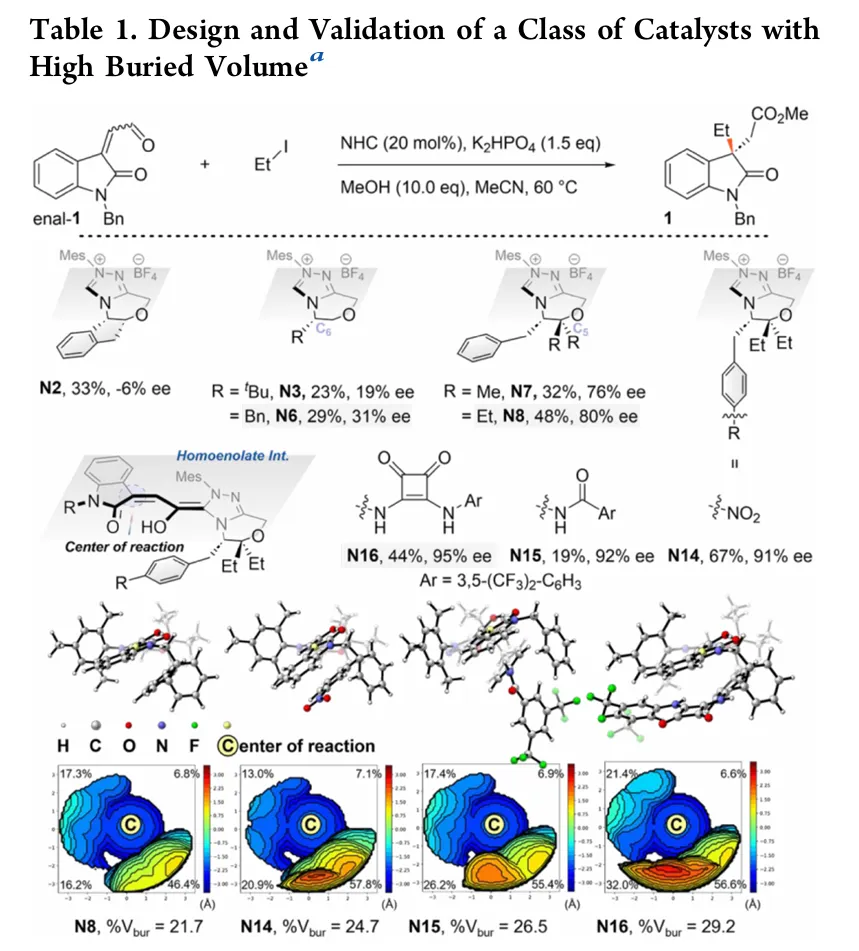
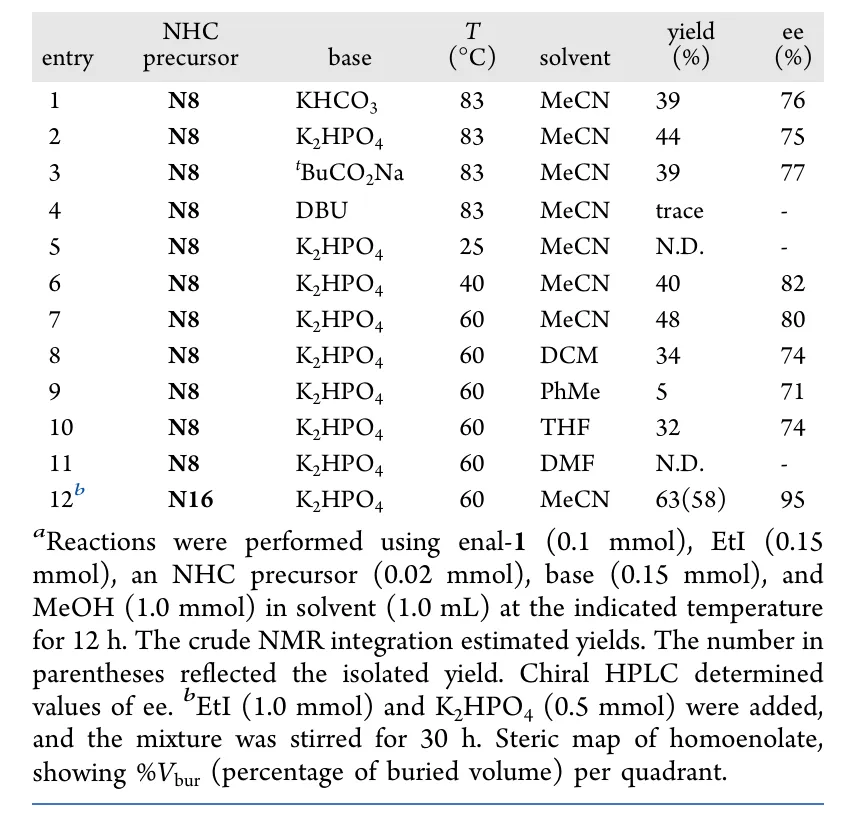
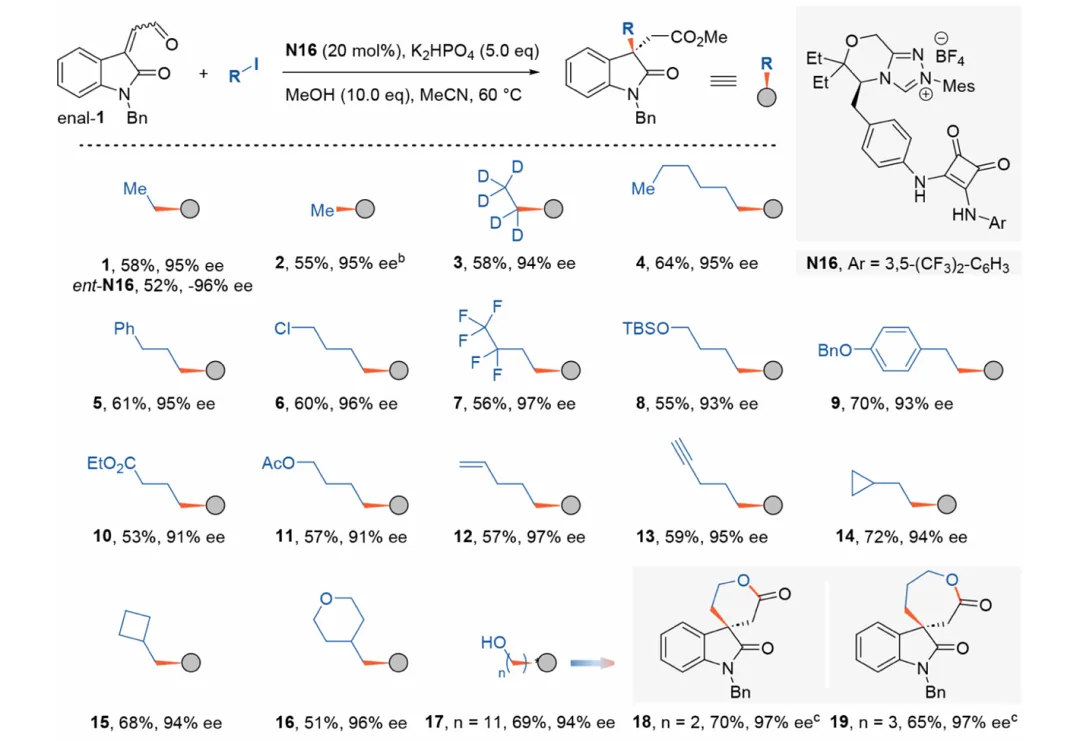
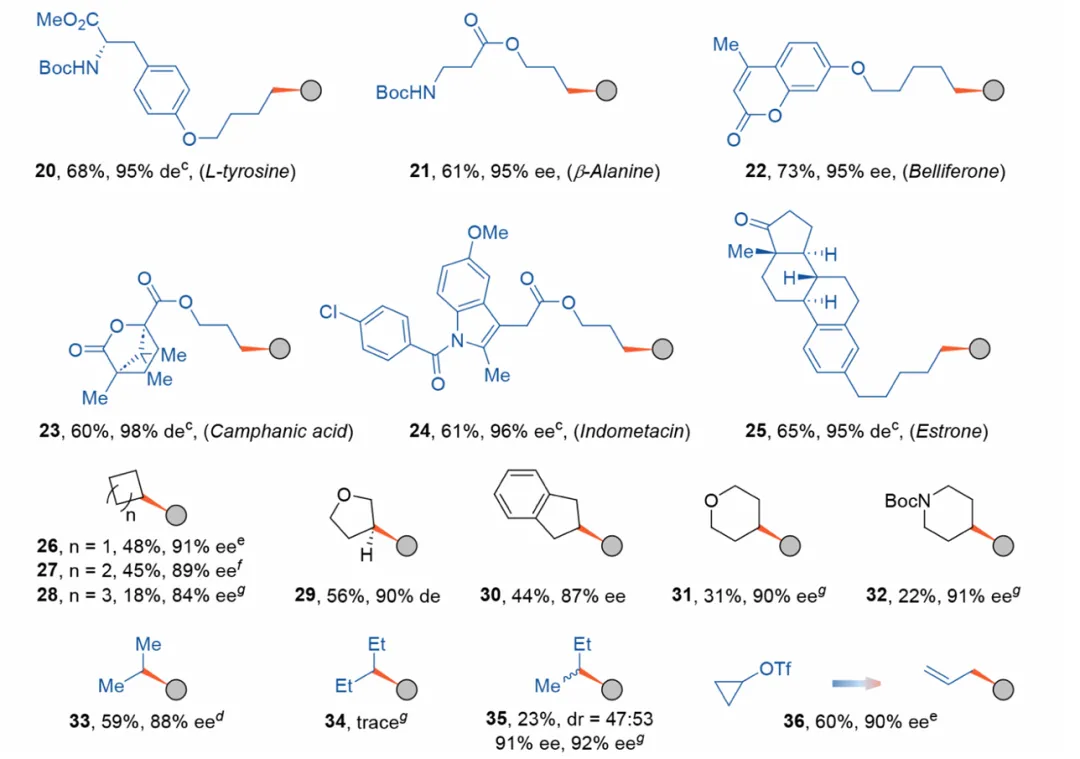
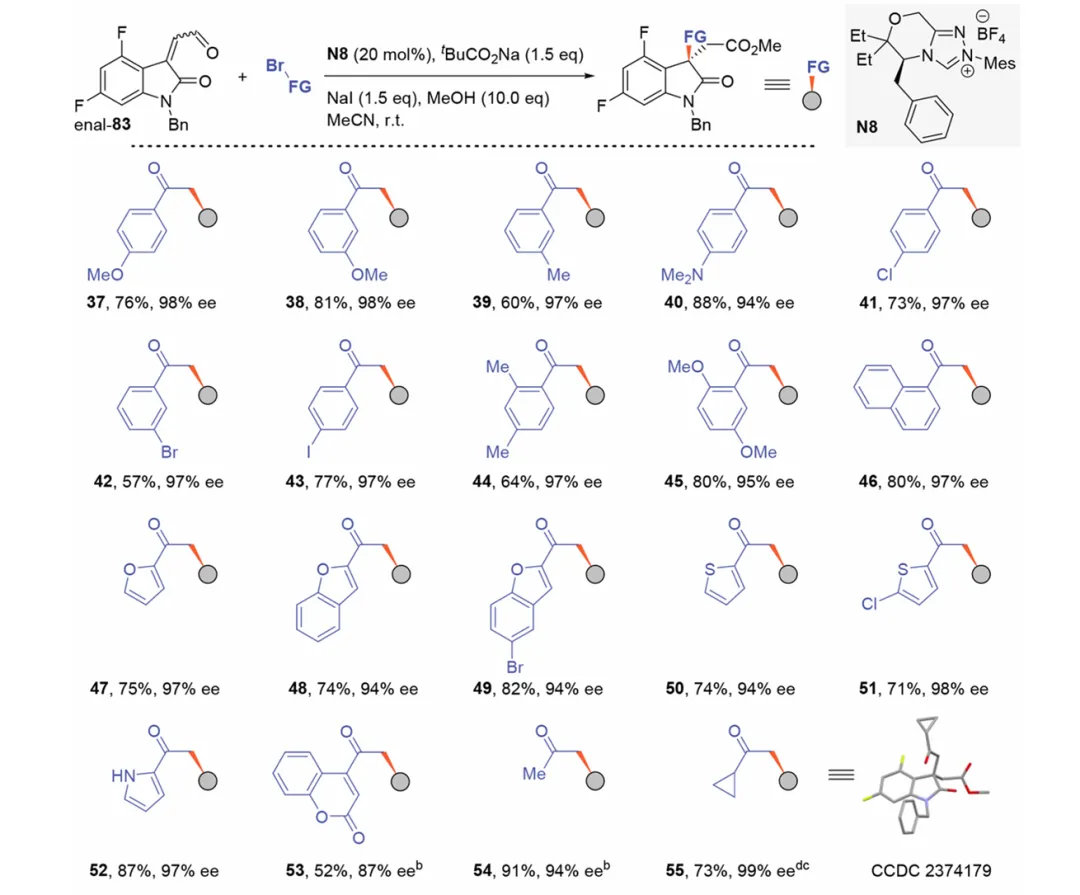
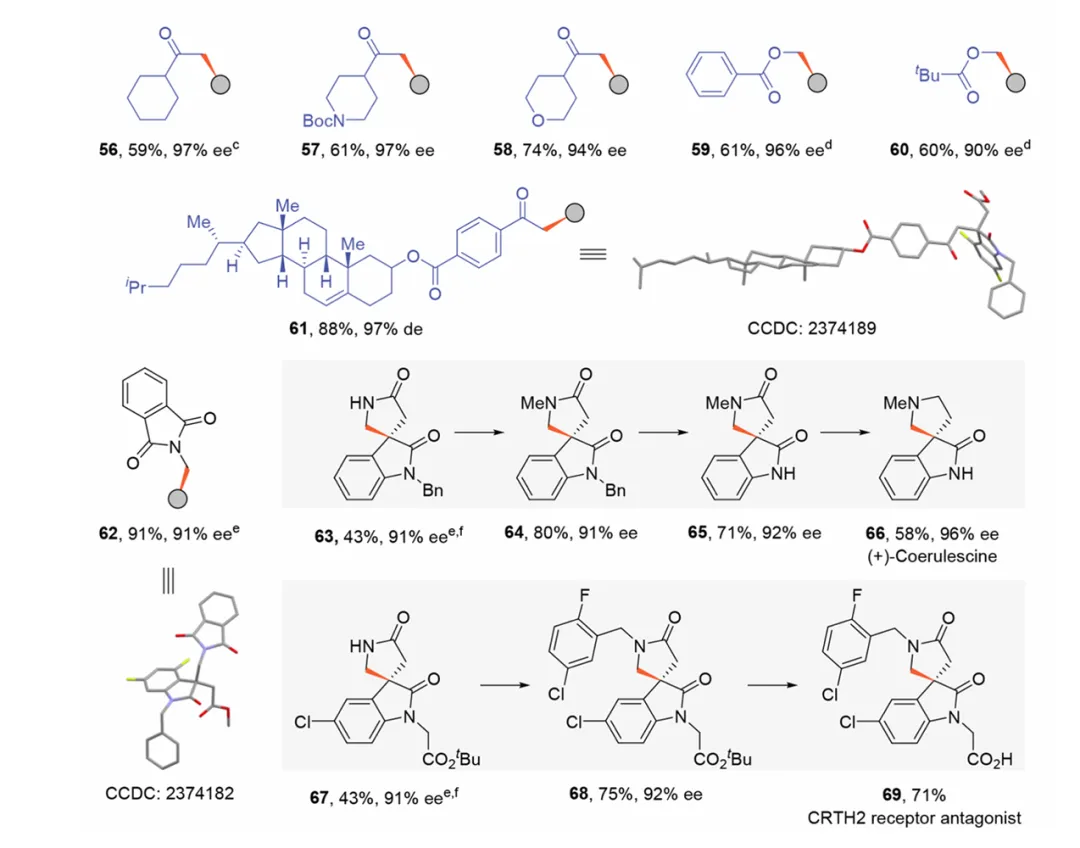
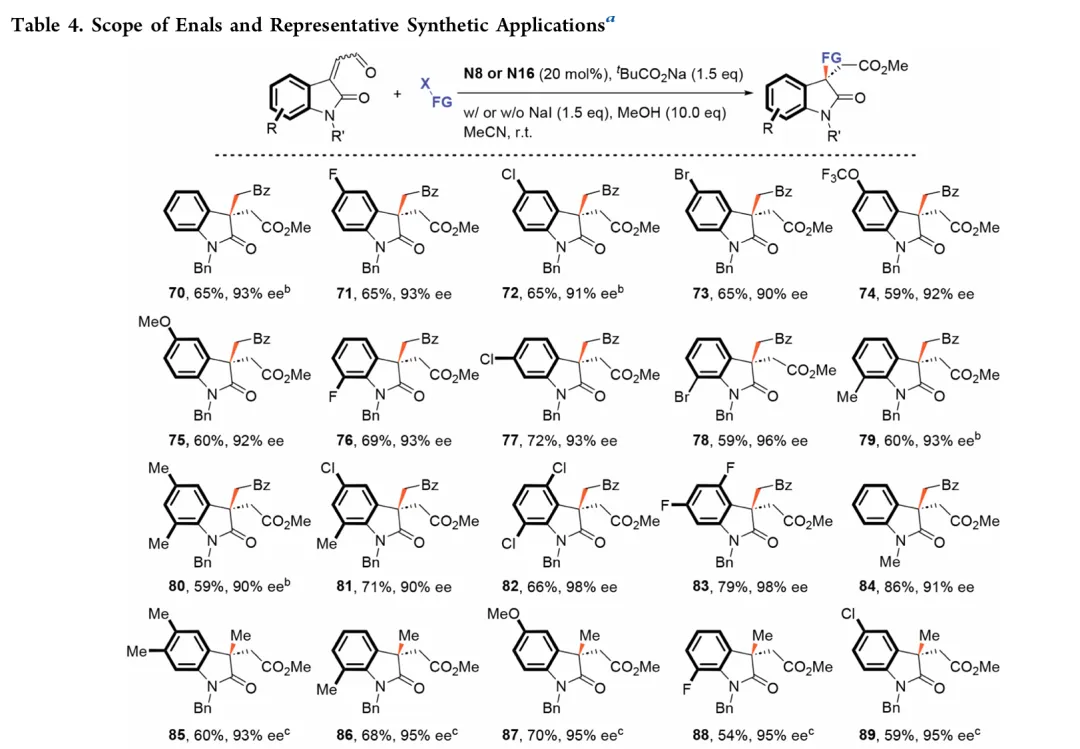
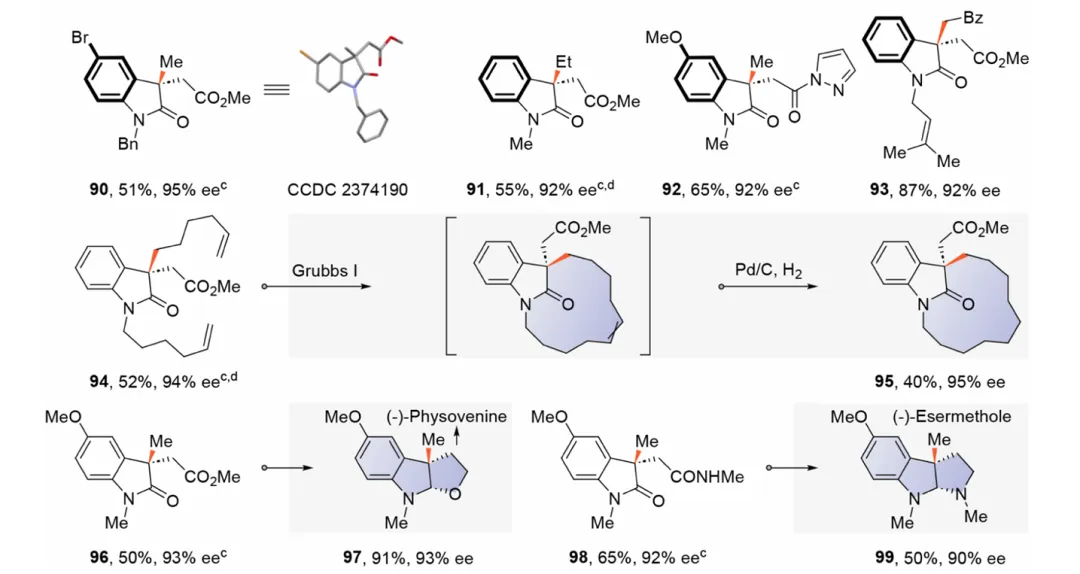
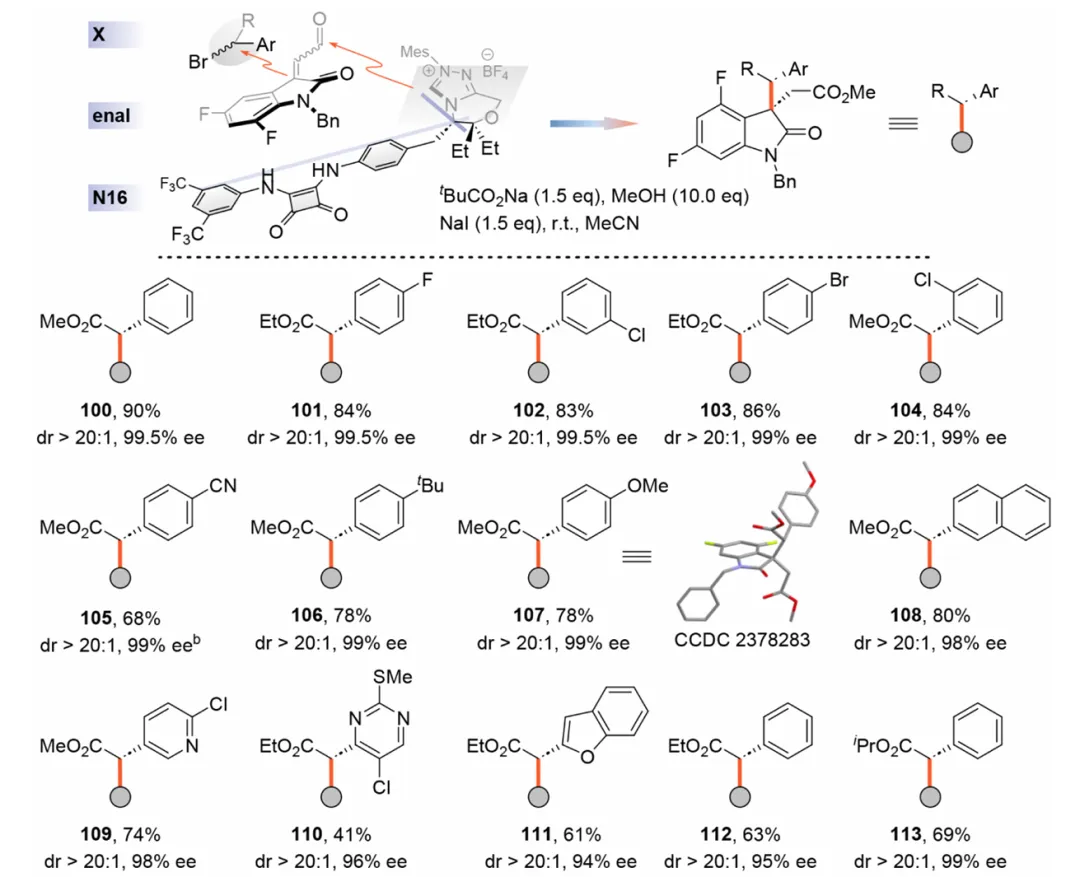
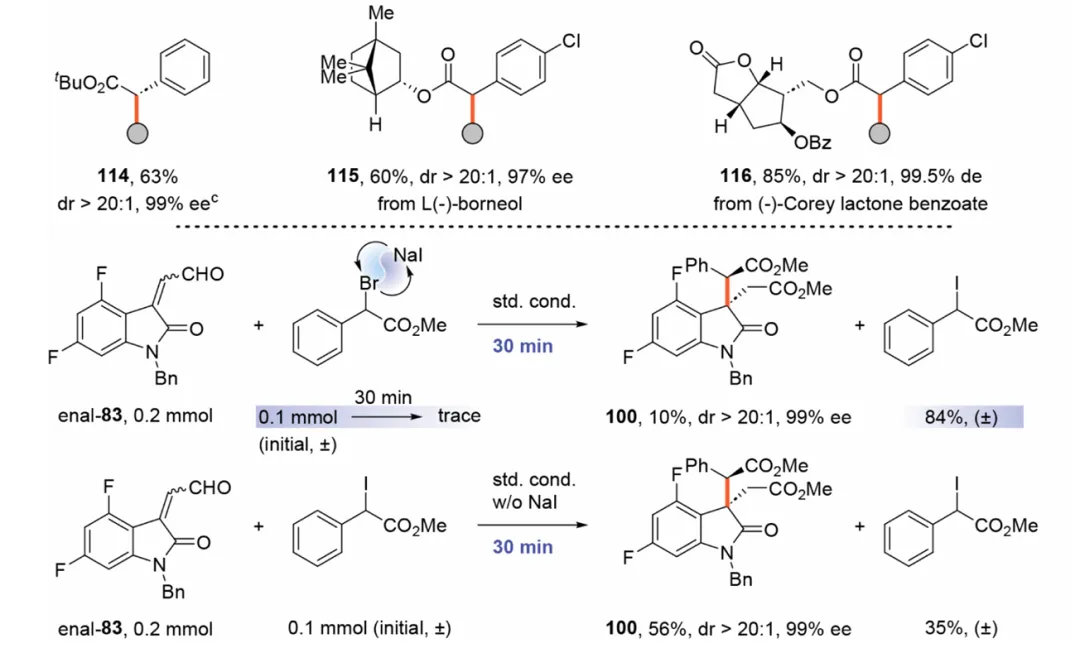
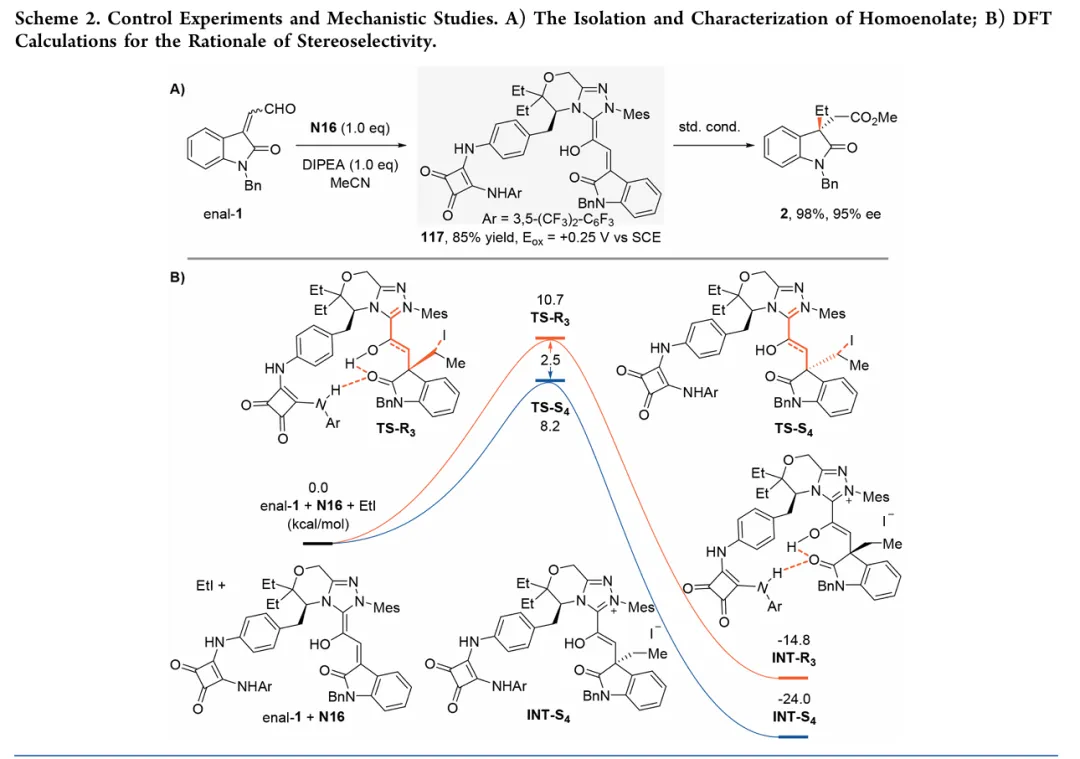
图1. TOC (图片来源于ACS Catal.)We report a chiral bifunctional N-heterocyclic carbene (NHC) catalyst that enables enantio- and diastereoselective alkylation of homoenolates. Quantitative steric maps (% Vbur) of the catalytic pocket explain stereocontrol and guide catalyst optimization for metal-free SN2 alkylations with unactivated and bulky second aryhalides (>20:1 dr, up to 99% ee)——a significant advance in homoenolate reactivity. The method’s usefulness is demonstrated through short syntheses of bioactive targets, including (+)-coerulescine, pyrroloindolines, and CRTH2 receptor antagonists, using a modular, transient acyl-trapping strategy. Mechanistic studies show a dynamic kinetic resolution (DKR) pathway and confirm the importance of noncovalent interactions in stereoselectivity. Additionally, the chiral NHC allows the isolation and X-ray crystallographic analysis of a stable triazolium-derived homoenolate intermediate, providing direct structural insight into a longstanding challenge in NHC catalysis. By linking homoenolate structure to reactivity, this work creates a framework for rational NHC catalyst design in stereoselective transformations.图2. 研究背景及本策略 (图片来源于ACS Catal.)图3. 催化剂设计及条件优化 (图片来源于ACS Catal.)图4. 非活化卤代物底物范围 (图片来源于ACS Catal.)图4. α-官能团链接的甲基卤代物底物范围 (图片来源于ACS Catal.)图5. 烯醛底物范围及合成应用 (图片来源于ACS Catal.)图6. 仲卤代物底物范围 (图片来源于ACS Catal.)图7. 控制实验和机理研究 (图片来源于ACS Catal.)In summary, we report the design of a phenylalanine-derived bifunctional NHC catalyst that enables the isolation and structural characterization of a triazolium-derived homoenolate intermediate via single-crystal X-ray analysis. This catalytic system achieves unprecedented enantioselective intermolecular SN2 reactions between homoenolates and unactivated alkyl halides, delivering β-chiral carboxylates with high stereocontrol. Notably, the methodology extends to diastereoselective alkylations using α-bromo-phenylacetates. The platform provides efficient access to structurally diverse oxindoles, spirocyclic natural products (e.g., (−)-esermethole, (+)-co erulescine), and pharmacologically relevant scaffolds. Mechanistic studies reveal the critical role of the HBD module in enforcing stereoselectivity through enzyme-like substrate encapsulation, while computational and experimental evidence corroborate a DKR pathway. The comprehensive structural and mechanistic insights into triazolium homoenolate intermediates establish a foundational framework for advancing asymmetric NHC catalysis in complex molecular synthesis. In our laboratory, we are currently pursuing this catalyst design principle to extend these asymmetric transformations to simple enal substrates.