The story of Shenzhen is often called the "miracle of the modern era."
深圳的故事常被称为“现代史上的奇迹”。
In just over 40 years, it transformed from a cluster of fishing villages and farmland into a global powerhouse of technology, finance, and logistics.
在短短 40 多年的时间里,它从一群渔村和农田转变为全球科技、金融和物流的中心。
It is the primary success story of China’s "Reform and Opening-up" policy.
它是中国“改革开放”政策最主要的成功案例。
Here is the history and timeline of Shenzhen, explained in plain English.
以下是深圳的历史和时间线,用通俗易懂的语言进行解释。
Ancient Roots and the Humble Beginnings (Before 1979)
古老根源与卑微起步 (1979年以前)
Long before the skyscrapers, the area we now call Shenzhen was part of Bao’an County.
在摩天大楼出现之前,我们现在称之为深圳的地区曾是宝安县的一部分。
For centuries, life here was defined by the rhythm of the tides and the soil. The people were mostly farmers and fishermen, specializing in salt production, pearl diving, and tea cultivation.
几个世纪以来,这里的生活由潮汐和土壤的节奏所定义。人们大多是农民和渔民,专门从事制盐、采珠和茶叶种植。
Because of its location on the coast of the South China Sea, it was always a strategic spot.
由于地处南海之滨,这里一直是一个战略要地。
In the 1500s, during the Ming Dynasty, the area served as a naval defense point against pirates.
在 16 世纪的明朝,该地区曾是抵御海盗的海防据点。
However, compared to the nearby bustling trade hub of Guangzhou or the British colony of Hong Kong just across the river, Shenzhen remained a quiet, rural backwater for most of history.
然而,与附近繁华的贸易枢纽广州或一河之隔的英国殖民地香港相比,深圳在历史的大部分时间里一直是一个安静、落后的农村地区。
By the 1970s, the population was roughly 30,000 people.
到 20 世纪 70 年代,人口约为 3 万人。
Most lived in small villages, and the "downtown" area was little more than a few streets near the train station that connected China to Hong Kong.
大多数人住在小村庄里,所谓的“市中心”只不过是连接中国内地和香港的火车站附近的几条街道。
1979 – 1980: The Birth of the Special Economic Zone (SEZ)
1979 – 1980:经济特区的诞生
The year 1979 changed everything. China’s leadership, led by Deng Xiaoping, realized that the country needed to modernize its economy.
1979 年改变了一切。以邓小平为首的中国领导层意识到国家需要实现经济现代化。
They decided to create a "testing ground" where capitalism and foreign investment could exist within a socialist system.
他们决定创建一个“试验田”,让资本主义和外国投资可以存在于社会主义制度之内。
1979: Bao’an County was officially renamed Shenzhen City.
1979年:宝安县正式更名为深圳市。
1980: The central government designated 327 square kilometers of Shenzhen as China’s first Special Economic Zone (SEZ).
1980年:中央政府将深圳 327 平方公里的土地划定为中国第一个经济特区。
The goal was simple but revolutionary: attract foreign money, learn modern management styles, and acquire new technology.
目标简单但具有革命性:吸引外资、学习现代管理模式并获取新技术。
Because it was right next to Hong Kong, it was the perfect place for Hong Kong businessmen to move their factories, where land and labor were much cheaper.
由于紧邻香港,这里成了香港商人搬迁工厂的绝佳地点,因为那里的土地和劳动力要便宜得多。
The 1980s: "Shenzhen Speed"
1980年代:“深圳速度”
The 1980s were defined by a feverish pace of construction.
20 世纪 80 年代以狂热的建设速度为特征。
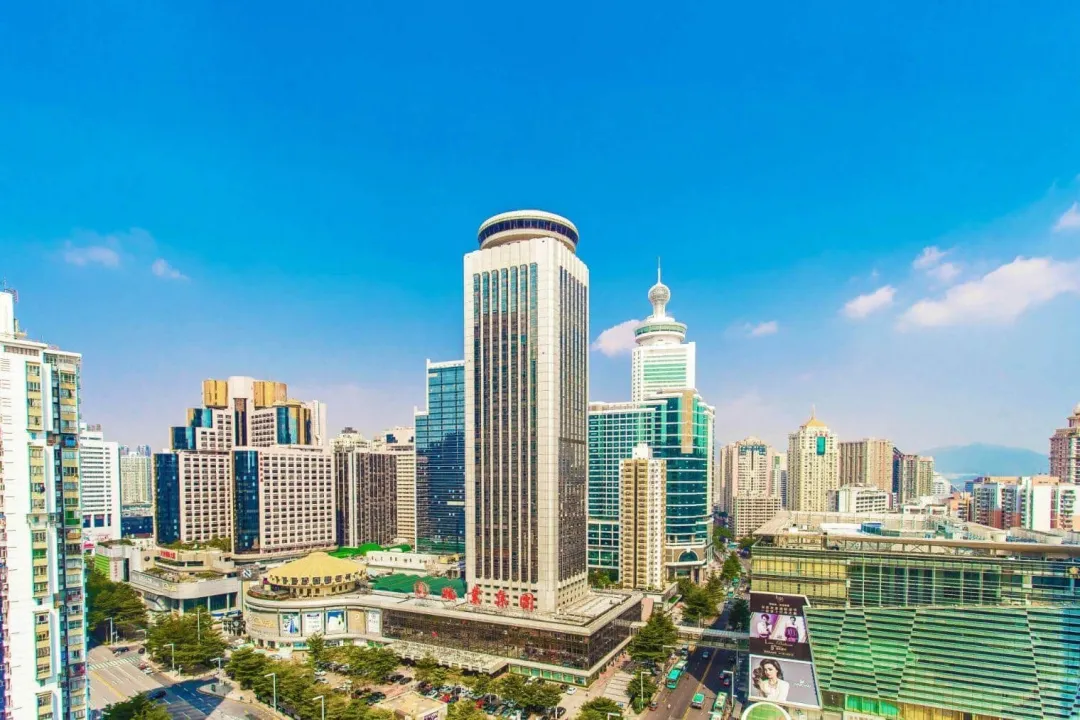
This era gave birth to the phrase "Shenzhen Speed," after workers built the 53-story International Trade Center at a rate of one floor every three days.
在工人们以每三天一层的速度建成 53 层高的国际贸易中心之后,这个时代诞生了“深圳速度”一词。
1982: The "Control Line" (the Second Line) was established, a internal border fence that separated the SEZ from the rest of the China to control who could enter and work in the special zone.
1982年:设立“管理线”(二线),这是一道将特区与内地其他地区隔开的内部边界围栏,用以控制谁可以进入特区工作。
1985: The city’s population exploded as "migrant workers" from all over China flocked to the south, looking for higher wages in the new factories.
1985年:随着来自中国各地的“务工人员”涌向南方,在新工厂寻找更高工资,城市人口呈爆炸式增长。
1987: Shenzhen held the first public land auction in Communist China, a massive shift toward a market-based real estate system.
1987年:深圳举行了新中国成立以来的首场土地公开拍卖,这是向市场化房地产体系的重大转变。
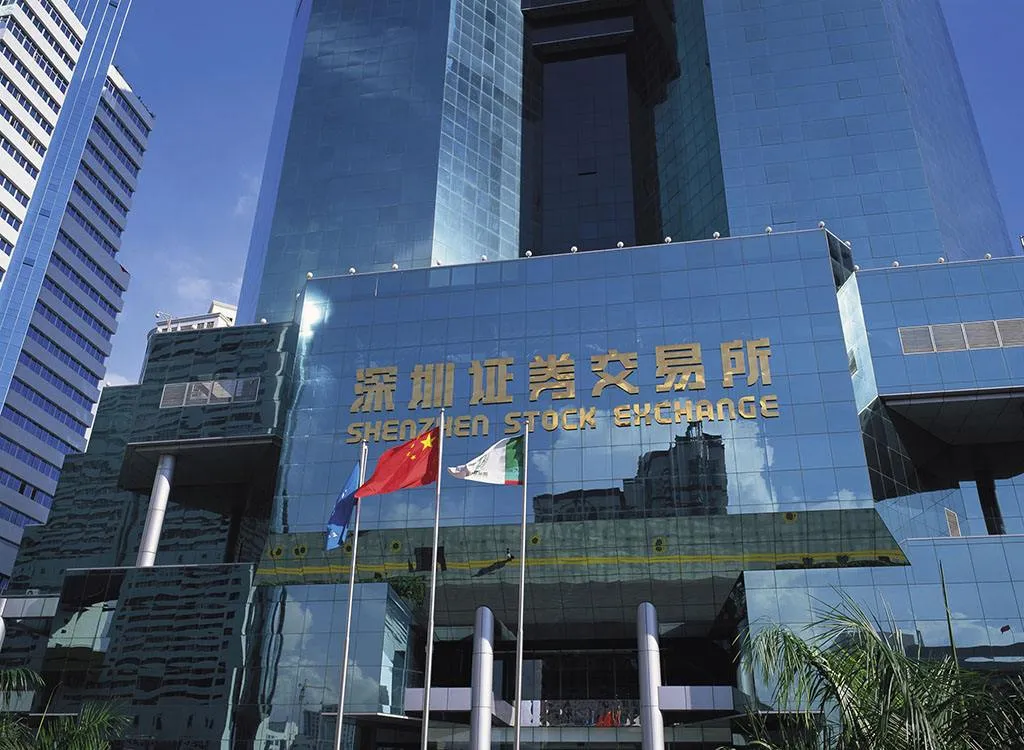
1990: The Shenzhen Stock Exchange was established, marking the city's transition from a mere manufacturing base to a financial center.
1990年:深圳证券交易所成立,标志着该市从单纯的制造基地向金融中心的转型。
The 1990s: From Low-End to High-Tech
1990年代:从低端到高科技
In the 90s, Shenzhen stopped being just a place that made cheap toys, clothes, and umbrellas. The city began to pivot toward electronics.
在 90 年代,深圳不再仅仅是一个制造廉价玩具、衣服和雨伞的地方。这座城市开始转向电子产业。
1992: Deng Xiaoping made his famous "Southern Tour." He visited Shenzhen to reaffirm that the reforms would continue, famously saying that "to get rich is glorious."
1992年:邓小平进行了著名的“南巡”。他访问深圳以重申改革将继续下去,并留下了“致富光荣”的名言。
This sparked a second wave of even faster growth.
这引发了第二波更快速的增长。
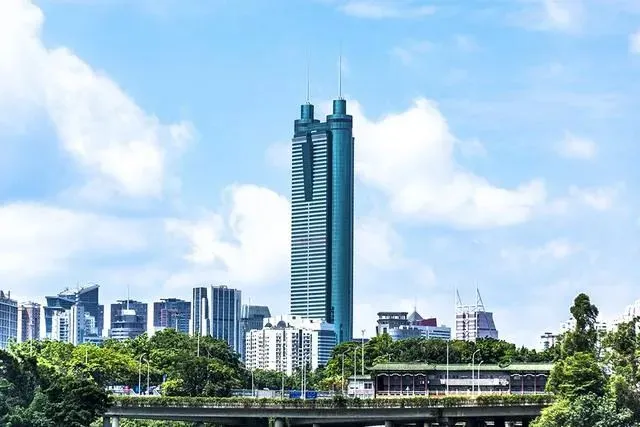
1996: The Diwang Mansion was completed. At the time, it was the tallest steel building in Asia, symbolizing the city’s rising status.
1996年:地王大厦竣工。当时它是亚洲最高的钢结构建筑,象征着这座城市不断提升的地位。
1997: When Hong Kong returned to Chinese sovereignty, the relationship between the two cities deepened.
1997年:香港回归中国主权后,两座城市之间的关系进一步深化。
Shenzhen became the primary gateway for goods moving between the China and the rest of the world.
深圳成为内地与世界其他地区之间货物运输的主要门关。
Late 90s: Companies that would eventually become global giants, like Tencent (founded in 1998) and Huawei, began to find their footing in the city's burgeoning tech parks.
90年代末:最终成为全球巨头的公司,如腾讯(成立于 1998 年)和华为,开始在这座城市新兴的科技园区中站稳脚跟。
The 2000s: Urbanization and Integration
2000年代:城市化与融合
By the turn of the millennium, Shenzhen was no longer a "experiment"—it was a massive metropolis.
到千禧之交,深圳不再是一个“实验”——它已成为一个巨大的大都市。
The focus shifted toward building a livable city with world-class infrastructure.
重点转向建设拥有世界级基础设施的宜居城市。
2003: Shenzhen officially began its journey to become a "Global Logistics Hub" and a "City of Design."
2003年:深圳正式开启了成为“全球物流枢纽”和“设计之都”的征程。
2004: The Shenzhen Metro opened its first lines, helping to move millions of people through the city's rapidly expanding districts like Futian and Nanshan.
2004年:深圳地铁开通首批线路,帮助数百万人穿梭于福田、南山等快速扩张的区域。
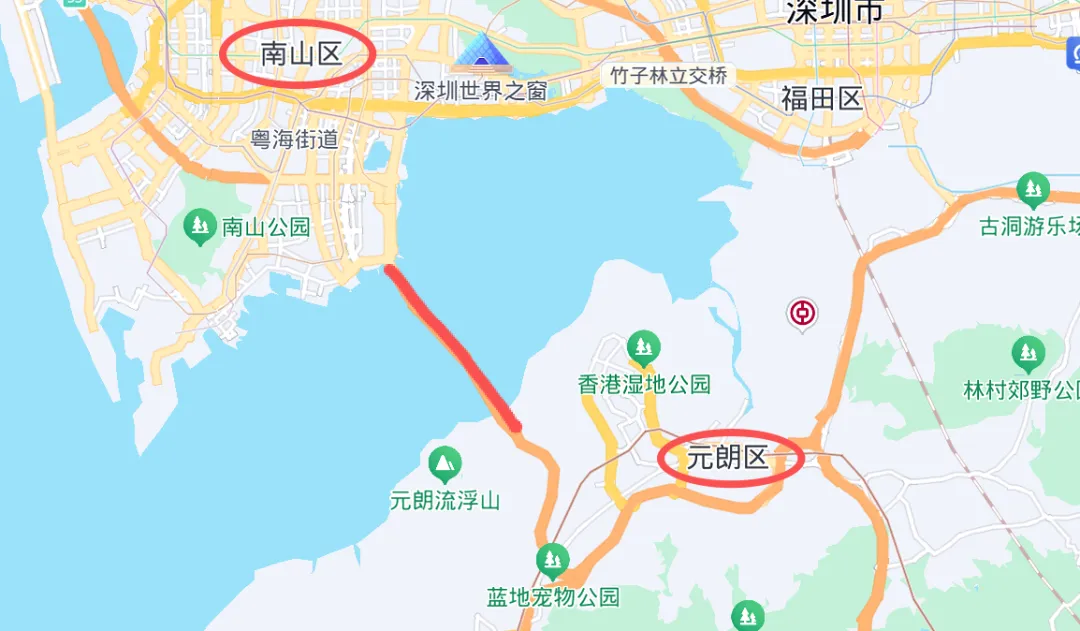
2007: The Western Corridor bridge opened, directly linking Shenzhen’s Shekou area to Hong Kong’s New Territories.
2007年:西部通道大桥开通,直接将深圳蛇口地区与香港新界连接起来。
2008: UNESCO named Shenzhen a "Creative City of Design." The city began moving away from heavy pollution and toward cleaner, high-value industries.
2008年:联合国教科文组织命名深圳为“设计之都”。城市开始摆脱重污染,转向更清洁、高价值的产业。
2010 – 2020: The Silicon Valley of Hardware
2010 – 2020:硬件硅谷
In this decade, Shenzhen earned a new nickname: "The Silicon Valley of Hardware."
在这十年里,深圳获得了一个新的绰号:“硬件硅谷”。
It became the only place on Earth where you could design a complex electronic product and have a prototype manufactured in just a few days.
它成为了地球上唯一一个你可以设计复杂电子产品并在短短几天内制造出原型的地方。
2010: The SEZ was expanded to cover the entire city, removing the old "Second Line" fence that had divided the city for decades.
2010年:经济特区扩大到覆盖全市,拆除了分割城市数十年的旧“二线”围栏。
2015: The Qianhai Free Trade Zone was launched, designed to be a "zone within a zone" for high-end financial services and collaboration with Hong Kong.
2015年:前海自贸区启动,旨在成为高端金融服务以及与香港合作的“区中之区”。
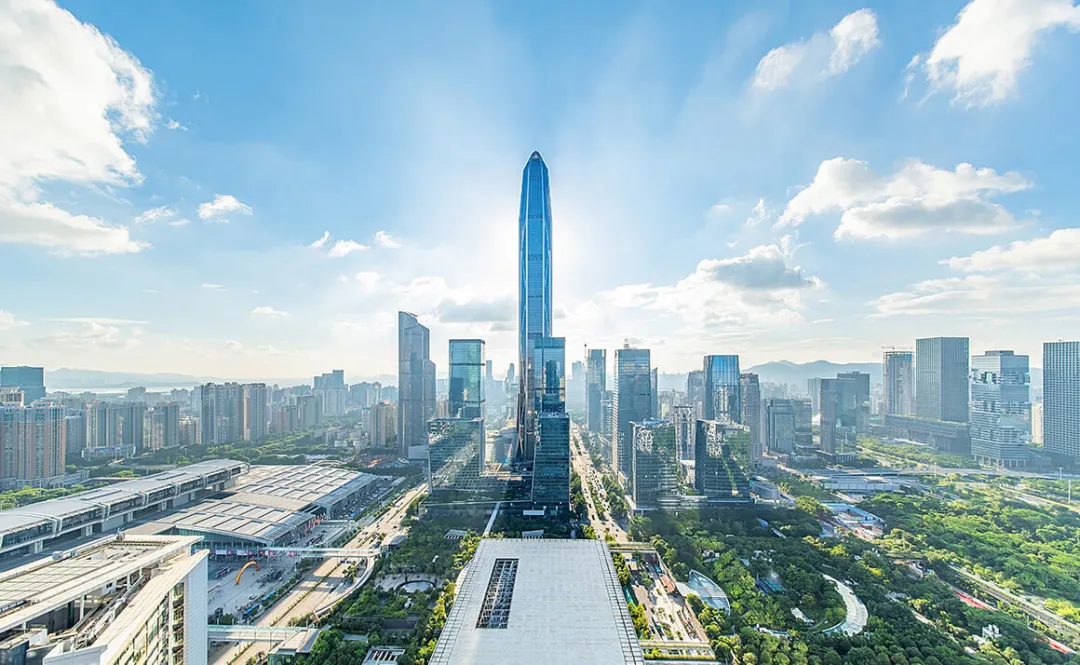
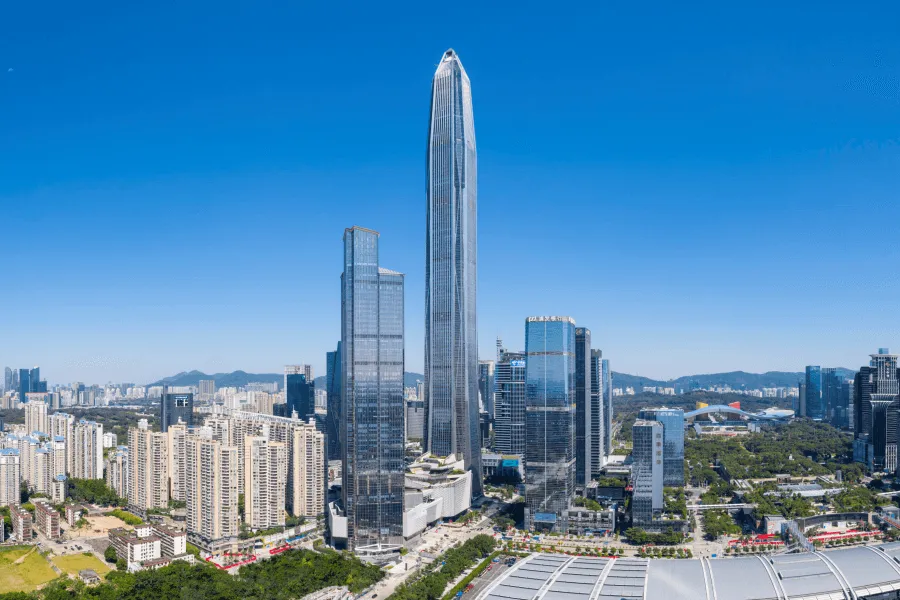
2017: The Ping An Finance Center was completed. At 599 meters, it became the tallest building in the city and the fourth tallest in the world.
2017年:平安金融中心竣工。它高达 599 米,成为全市最高、世界第四高的建筑。
2018: The High-Speed Rail link between Shenzhen and Hong Kong West Kowloon opened, cutting travel time to just 14 minutes.
2018年:深圳与香港西九龙之间的高铁链路开通,将旅行时间缩短至仅 14 分钟。
2019: The central government announced a plan to make Shenzhen a "Pilot Demonstration Area of Socialism with Chinese Characteristics," essentially giving it even more freedom to innovate in law, tech, and finance.
2019年:中央政府宣布计划将深圳建设成为“中国特色社会主义先行示范区”,本质上赋予了其在法律、科技和金融领域更大的创新自由。
2020s – Present: The Future of the Greater Bay Area
2020年代 – 至今:大湾区的未来
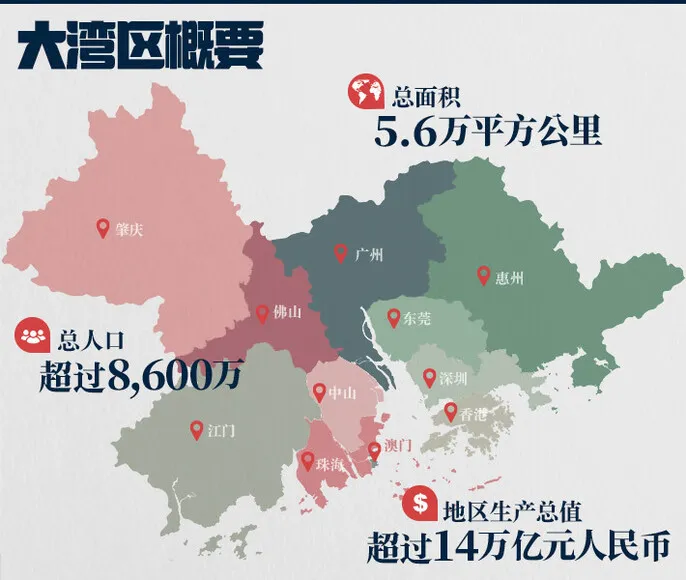
Today, Shenzhen is the heart of the Greater Bay Area (GBA), a massive economic engine that includes Hong Kong, Macau, and several other cities in Guangdong.
如今,深圳是大湾区(GBA)的核心,大湾区是一个巨大的经济引擎,包括香港、澳门和广东的其他几个城市。
The city is now a leader in Green Technology. Shenzhen was the first city in the world to have a 100% electric bus fleet and nearly all of its taxis are electric.
这座城市现在是绿色科技的领导者。深圳是世界上第一个拥有 100% 纯电动公交车队的城市,几乎所有的出租车也都是电动的。
Companies like BYD (Electric Vehicles) and DJI (Drones) call Shenzhen home, proving that the city is no longer "copying" the West but is now leading the way in original innovation.
比亚迪(电动汽车)和海康威视(此处应为大疆 DJI,原文为 Drones)等公司都以深圳为家,证明了这座城市不再是“模仿”西方,而是在原创创新方面处于领先地位。
As of 2026, Shenzhen has a population of over 17 million people. Its GDP has surpassed that of many medium-sized countries.
截至 2026 年,深圳人口已超过 1700 万。其 GDP 已超过许多中等规模国家。
It has evolved from a small gate to the world into one of the world’s most important centers for the digital economy, artificial intelligence, and sustainable urban living.
它已从通往世界的一扇小门演变为全球最重要的数字经济、人工智能和可持续城市生活中心之一。
Summary of Key Phases
关键阶段总结
1979–1989: Construction, cheap labor, and the "First Miracle."
1979–1989:建设、廉价劳动力与“第一个奇迹”。
1990–1999: The rise of electronics and the stock market.
1990–1999:电子产业的崛起与股市。
2000–2010: Infrastructure, the Metro, and global logistics.
2000–2010:基础设施、地铁与全球物流。
2011–2020: High-tech innovation, drones, and the tallest skyscrapers.
2011–2020:高科技创新、无人机与最高的摩天大楼。
2021–Present: The GBA integration, AI, and Green Energy leadership.
2021–至今:大湾区融合、AI 与绿色能源领导力。
For more insightful content, long press the QR code to follow