IPP评论是国家高端智库华南理工大学公共政策研究院(IPP)官方微信平台导语:本月初,深圳市宣布即将动工兴建西丽高铁站,并预计将于2028年建成。与过去中国大张旗鼓建设的巨型枢纽相比,该车站采取了“小而精”的设计路线,这也反映出中国基础设施建设理念的根本性转变。
尽管有部分深圳市民对西丽站相对保守的建设规模表示担忧,但IPP执行院长、研究员郭海在接受《南华早报》采访时表示,中国铁路和车站的建设高峰期已经过去,未来的项目需要更精细的规划。这意味着不应再盲目追求“大”,而是要确保资金使用得当且审慎。西丽站这种“更小但更智能”的设计,将成为未来中国铁路车站建设的示范模版。以下为报道原文。
深圳即将于本月晚些时候破土动工兴建一座新的高铁站,但这个中国南方科技中心的一些居民担心,这座高铁站可能不够大。
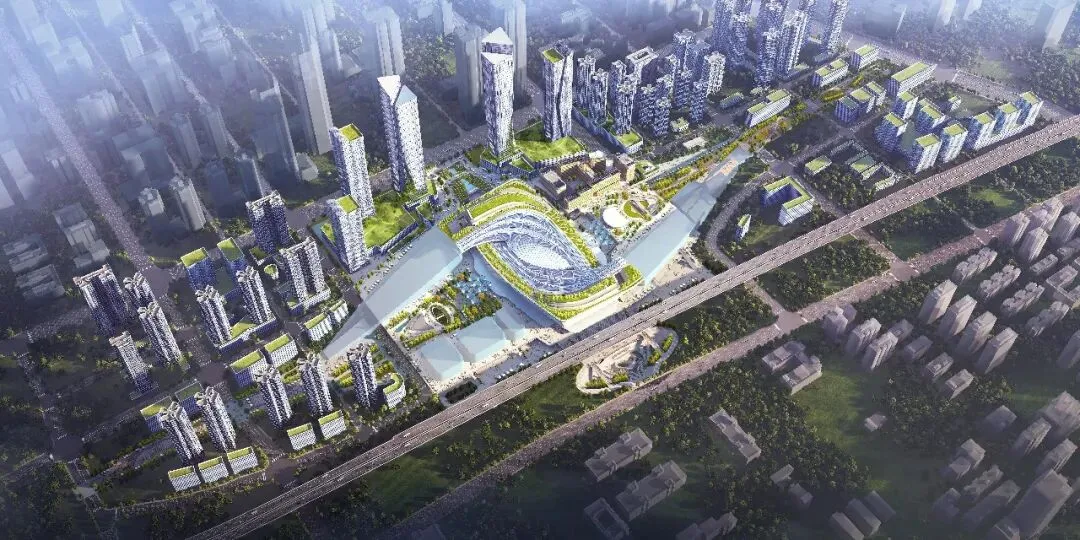
位于市中心南山区、耗资132亿元人民币(19亿美元)的西丽站预计将于2028年启用,但它并不是中国基础设施建设鼎盛时期常见的又一个巨型项目。
但这座未来主义的综合交通枢纽将有助于使前往大湾区发展区内其他城市乃至更远地区的旅行更加便捷顺畅。
深圳西丽高铁站效果图
在政策制定者反思中国全面建设模式的根本转变之际,观察人士称赞深圳的“审慎”规划,并强调该车站对区域一体化以及惠及香港的重要意义。
虽然规划中的车站(拥有25条轨道和13个站台)建成后将成为该市最大的车站,但它比近年来其他主要城市建造的类似铁路枢纽要小。
例如,位于中国西北部陕西省的西安北站已有15年历史,拥有34条轨道和18个站台;而2010年开通的广州南站则拥有28条轨道和15个站台,并预留了进一步扩建的空间。
西丽站相对“保守”的规模,让一些深圳居民对现有车站的拥挤状况感到不满,抱怨规划“目光短浅”。
一些人在社交媒体平台上呼吁有关部门重新考虑设计方案,并扩大规模。
“深圳的国内生产总值在全国城市中排名第三,人口接近2000万。为什么它最新的车站甚至都进不了全国十大车站之列?”一篇帖子写道。
但广州华南理工大学公共政策研究院执行院长郭海表示,西丽的目标是在两者之间取得微妙的平衡。
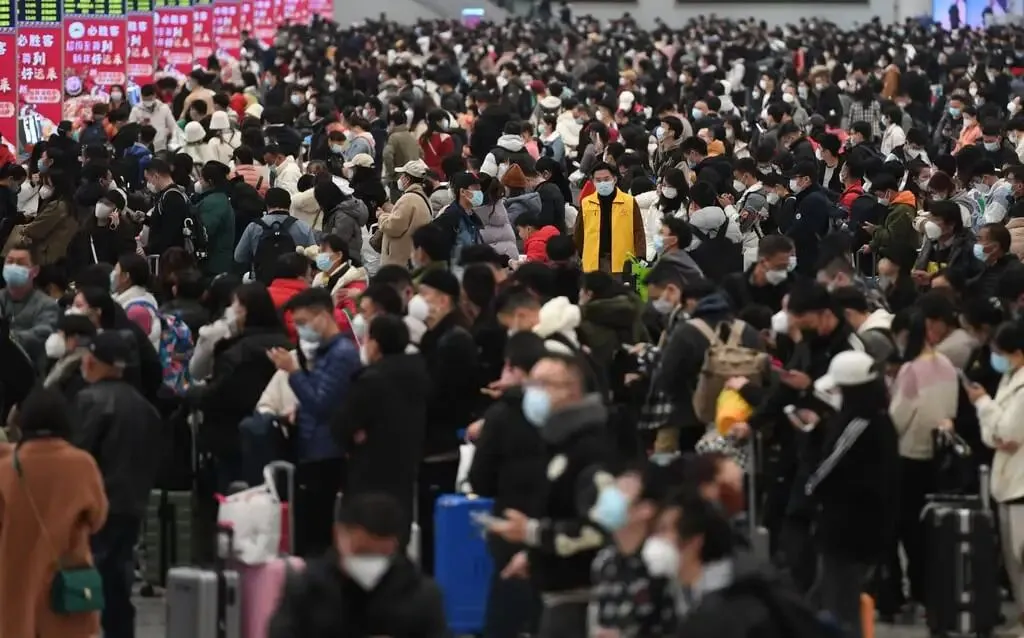
2023年1月春运期间,旅客在深圳北站准备登车。图片:新华社
“中国的铁路和车站建设热潮已经达到顶峰,未来我们需要规划更完善的项目。关键在于确保资金得到明智谨慎的使用(建设一个规模适中的车站),同时缓解深圳其他交通设施的压力,并服务于来自香港的跨境旅客。”
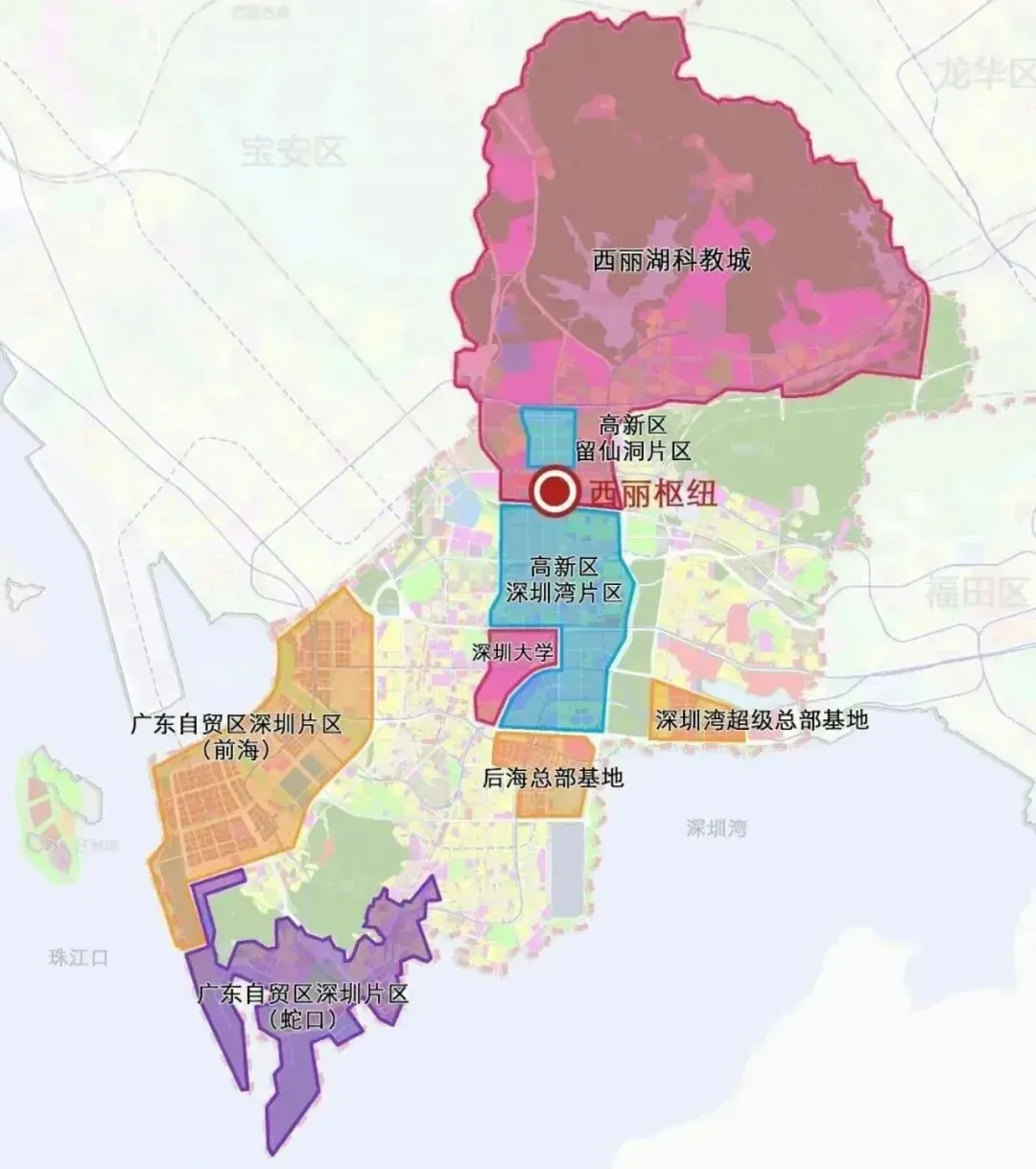
西丽站将横跨四条连接深圳与周边城市的高铁线路以及两条城际线路,同时也将有四条深圳地铁线路在此停靠。据深圳媒体报道,西丽站建成后,深圳至广东省省会广州的铁路旅行时间将缩短至不到一小时。香港市民也可在西丽站换乘北行列车。郭海补充说,西丽站“规模较小但设计巧妙”,可以作为未来中国火车站的典范,特别是那些旨在促进湾区等重点大都市区域一体化的火车站。湾区旨在整合香港、澳门和广东省九个城市(包括广州和深圳)的优势和努力,以实现经济发展的协同效应,尤其是在科技和金融领域。中国在短短二十年内就完成了西方一个世纪的城市化和铁路建设。作为世界第二大经济体,中国运营着全球最庞大的高速铁路网络,总长超过5万公里(3.1万英里),高速列车的运行速度可达250公里/小时(155英里/小时)甚至更高。到2024年,中国已拥有全球70%的高速铁路,并在全国各地兴建了众多大型车站——尽管其中一些车站利用率不高,甚至几乎废弃。许多线路巨额的建设投资、维护成本和疲软的票务收入给国家铁路运营商和地方政府的财政造成了压力。深圳西丽高铁站位置图
“如今,中国铁路和地方政府面临着更加严格的财政约束,再加上(新建车站和线路的)土地征用困难且成本高昂,以及项目规划、审查和审批流程的调整,使得情况更加复杂,”北京建筑大学教授宋少民表示。“中国后疫情时代的城镇化和基础设施建设发生了根本性转变。客流量也发生了变化……铁路规划正从注重规模转向更加务实、以需求为导向的模式。”宋补充说,需求转向航空领域也可能是中国对大型车站态度转变的一个因素。“随着新建火车站规模缩小,未来中国中西部地区对中小机场的需求可能会增加,低空运输也可能出现,”他说道。*以下为原英文报道,供读者对照参考(请上下滑动查看)。
As Shenzhen prepares to break ground on a new high-speed railway station later this month, some residents of the southern Chinese tech hub worry it may not be big enough.
The 13.2 billion yuan (US$1.9 billion) Xili Station in the city’s downtown Nanshan district, set to be inaugurated in 2028, is not another of the mammoth projects that were common during the heyday of China’s infrastructure buildout.But the futuristic integrated transport hub will help make trips to other cities in the Greater Bay Area development zone – and beyond – easier and more seamless.As policymakers reflect on fundamental shifts in China’s all-out construction model, observers have praised Shenzhen’s “prudent” planning and emphasised the station’s significance for regional integration benefiting Hong Kong.Though the planned station – with 25 tracks and 13 platforms – would be the city’s largest after opening, it is smaller than similar rail hubs built in other major cities in the recent past.For instance, the 15-year-old Xian North Station in northwestern China’s Shaanxi province has 34 tracks and 18 platforms, while Guangzhou South Station, which opened in 2010, has 28 tracks and 15 platforms, with space reserved for further expansion.Xili’s relatively “conservative” size has prompted some Shenzhen residents, dismayed by overcrowding at the city’s existing stations, to complain about “shortsighted” planning.Some took to social media platforms to urge authorities to reconsider the design and make it bigger.“Shenzhen’s gross domestic product ranks third among all cities nationwide and it has a population close to 20 million. How come its newest station cannot even rank among the nation’s 10 largest?” one post read.But Guo Hai, director of the Institute of Public Policy at South China University of Technology in Guangzhou, said Xili aimed to strike a delicate balance.“China’s railway and station construction boom has already peaked and, going forward, we need projects that are better planned,” Guo said. “It’s about ensuring money is wisely and prudently spent [on a moderately sized station] while alleviating pressure from other transport facilities in Shenzhen and serving cross-border passengers from Hong Kong.”The Xili station will straddle four high-speed railways linking Shenzhen to neighbouring cities, as well as two intercity lines. It will also be served by four Shenzhen Metro lines. Upon its completion, rail travel time between Shenzhen and Guangzhou, Guangdong’s provincial capital, will be slashed to less than an hour, according to Shenzhen media reports. Hongkongers will be able to use Xili as a transfer point to more northbound trains.Guo added the “smaller but smart” Xili design could serve as a model for future Chinese railway stations, especially those aimed at fostering regional integration in key megalopolises like the bay area, which aims to coalesce the advantages and efforts of Hong Kong, Macau and nine cities in Guangdong – including Guangzhou and Shenzhen – to achieve synergies in economic development, especially in technology and finance.China has crammed a century’s worth of Western urbanisation and railway construction into around two decades.The world’s second-largest economy operates the world’s most extensive high-speed rail network – spanning more than 50,000km (31,000 miles) – with bullet trains travelling at speeds of 250km/h (155mph) or higher. By 2024, the country already boasted 70 per cent of the world’s high-speed track, and sprawling stations were also built across the country – though some remain underused or almost deserted.Hefty construction investment, maintenance costs and weak ticketing revenue on many lines have strained the finances of the national railway operator and the coffers of local governments.“Nowadays, China Railway and local authorities face tighter fiscal constraints, compounded by difficult, costly land acquisition [for new stations and lines] and adjustments to project planning, scrutiny and approval,” said Song Shaomin, a professor at Beijing University of Civil Engineering and Architecture.“There is a fundamental shift in China’s post-pandemic urbanisation and infrastructure development. There is also revised ridership … railway planning is transitioning from a focus on size towards a more pragmatic, demand-driven model.”Song added that demand shifting to aviation could also be a factor in China’s changing attitude towards larger stations.“As new railway stations shrink in size, the demand for small and medium-sized airports may increase across central and western China in the future, and low-altitude transport may also emerge,” he said.
原报道于2026年6月5日刊登于《南华早报》官网,原标题为“‘Smaller but smart’ Shenzhen railway station to redraw China’s infrastructure blueprint”。作者:Frank Chen

受访人
郭海 华南理工大学公共政策研究院(IPP)执行院长、研究员



华南理工大学公共政策研究院(IPP)是一个独立、非营利性的知识创新与公共政策研究平台。IPP围绕中国的体制改革、社会政策、中国话语权与国际关系等开展一系列的研究工作,并在此基础上形成知识创新和政策咨询协调发展的良好格局。IPP的愿景是打造开放式的知识创新和政策研究平台,成为领先世界的中国智库。






 10个月宝宝每天需要喝多少奶粉?

