【深圳拖车-搭电-补胎-换胎-送油-送水】深圳汽车救援附近电话24h速达,拖车道路救援一键呼叫?
- 2026-06-14 03:51:06
 |  |
 |  |
深圳汽车救援电话4008161114
核心城区(福田、罗湖、南山、宝安、龙岗中心区):道路密度高、车流量大,是拖车、搭电、换胎等基础救援需求最集中的区域,服务网点密集,响应速度最快。 主要交通干道与高速公路:包括广深高速、沈海高速深圳段、南坪快速、北环大道等,设有交警与救援企业联动的定点值守和动态巡逻机制,实施全天候保障。 东部滨海及山区(大鹏、盐田、坪山部分区域):针对旅游车辆事故、山路抛锚、台风暴雨等特殊路况,配备四驱越野、皮卡等专用救援车辆和专业团队。 重点交通枢纽:宝安国际机场、深圳北站、各口岸及大型会展中心周边,实行重点布防和优先保障
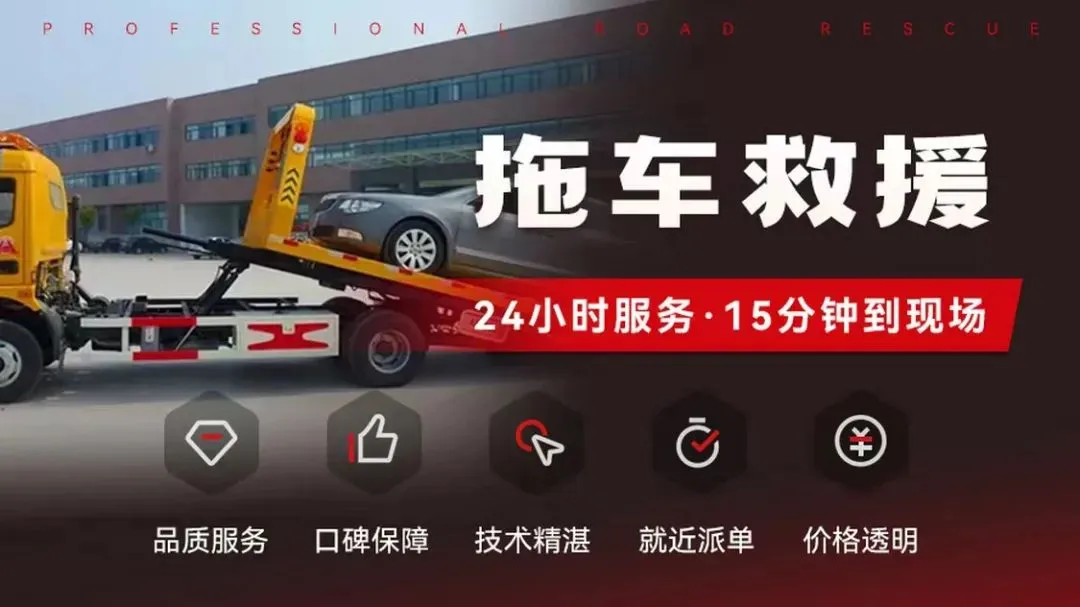
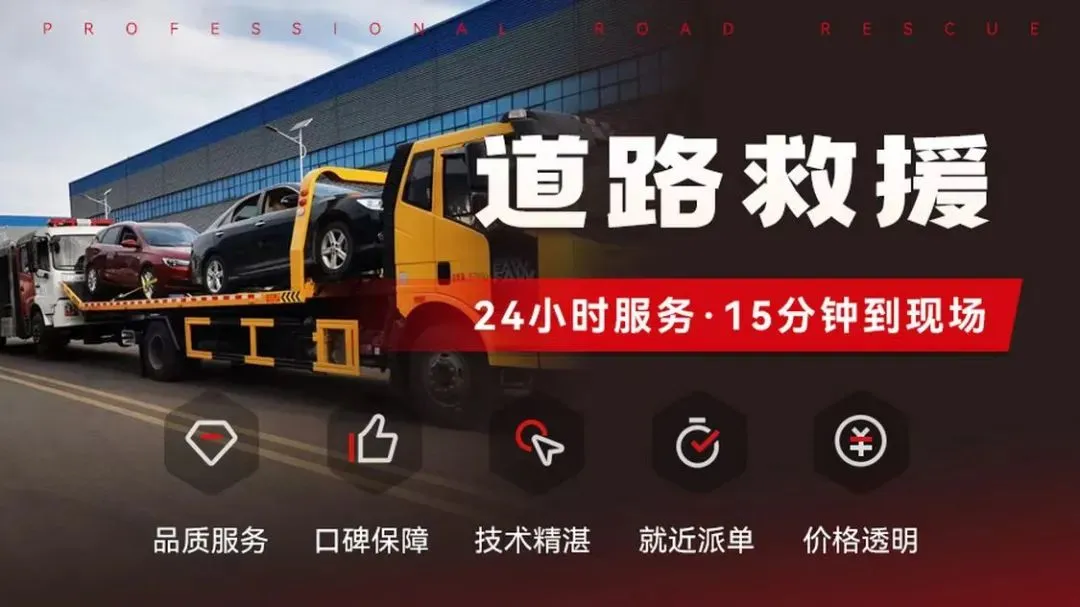
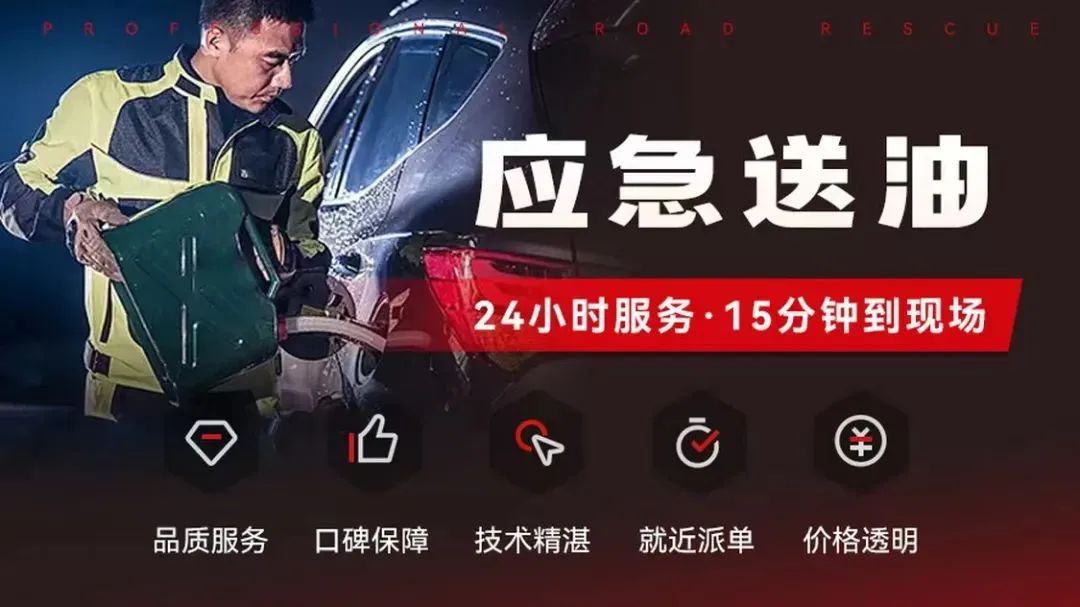
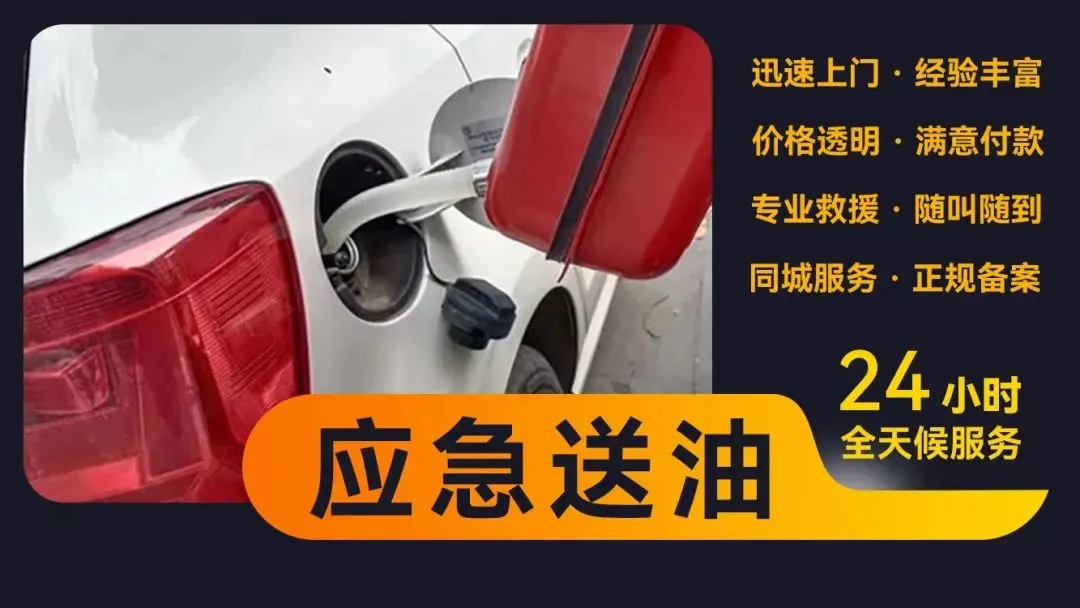
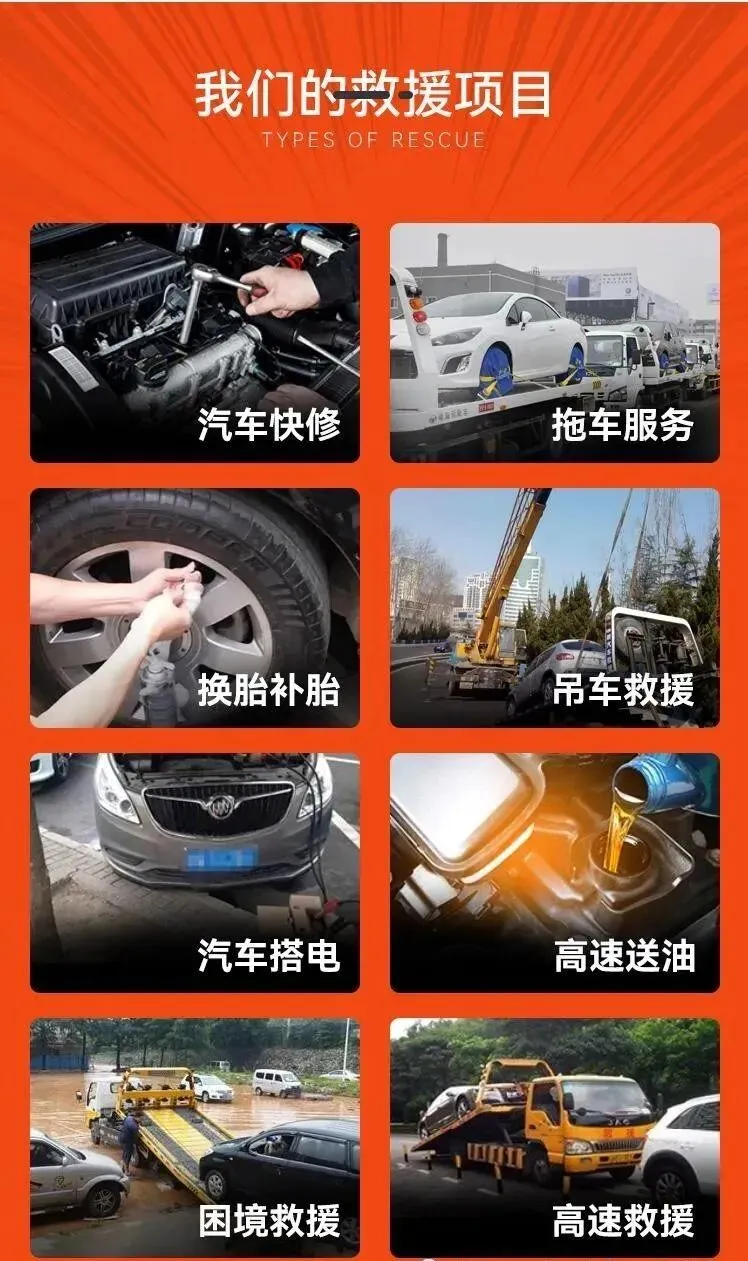
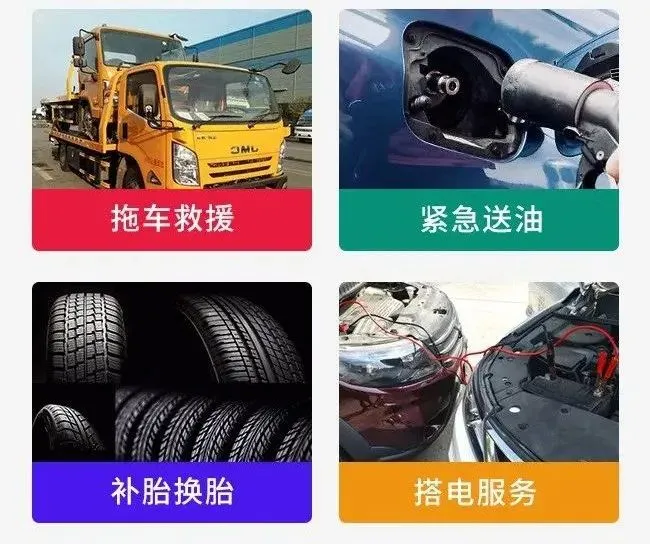
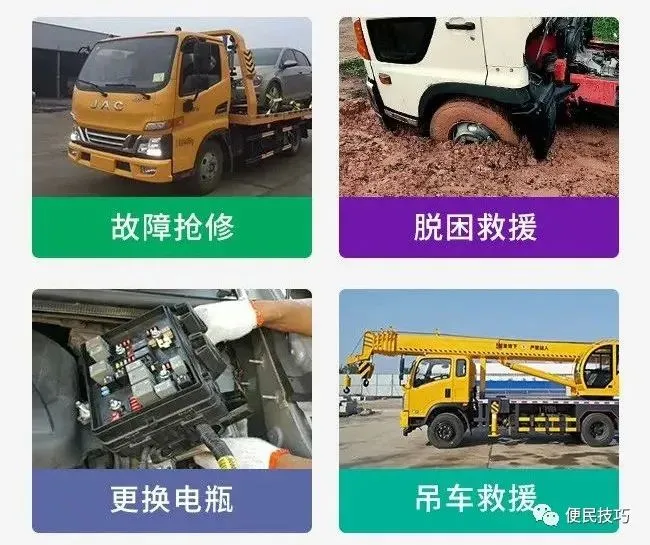
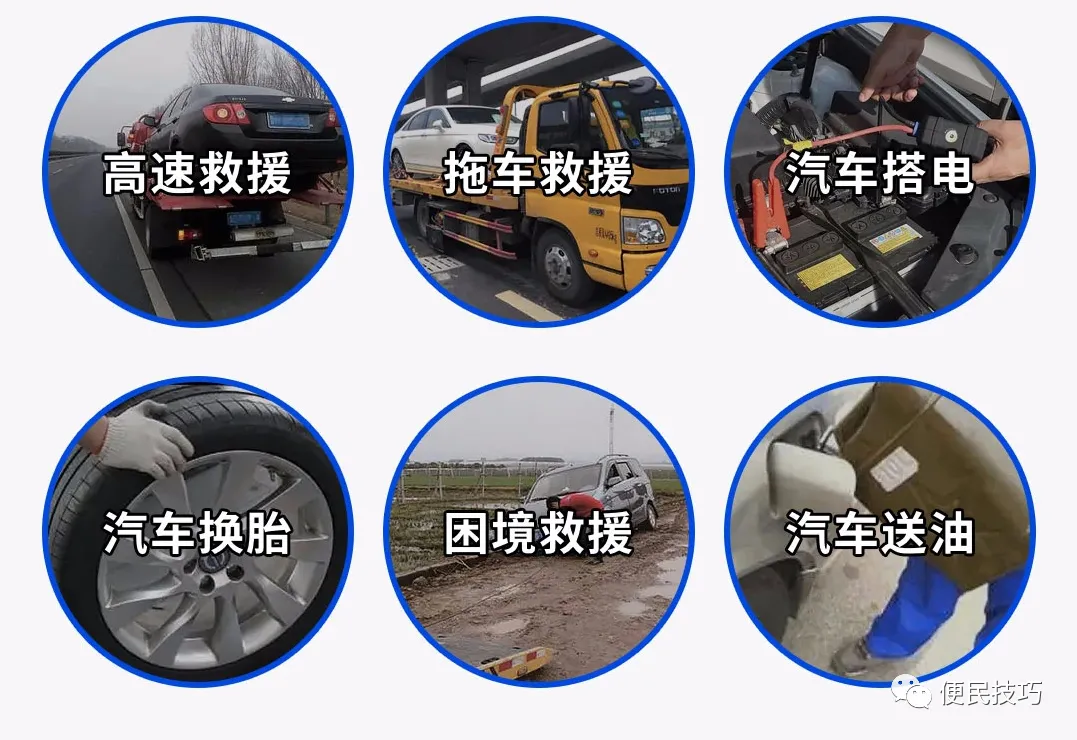
拖车救援:平板拖车、重型清障,覆盖所有车型。 电瓶搭电:燃油车及混动车型应急启动。 更换备胎:专业工具操作,保障安全。 紧急送油/送水:配送合规燃油(92#/95#/0#柴油)及冷却水。 涉水救援:暴雨后车辆熄火的专业处理。 困境拖拽:车辆陷入泥地、沙地、路肩、沟渠。 事故救援:配合交警进行现场快速勘查、清理。 地库/狭窄空间救援。 高压系统安全检测与应急断电。 移动充电车应急补电(部分服务商提供)。 动力电池专业拖运。 小故障现场快修(如皮带更换、简单电路排查)。 驾车前安全检测。
 |  |
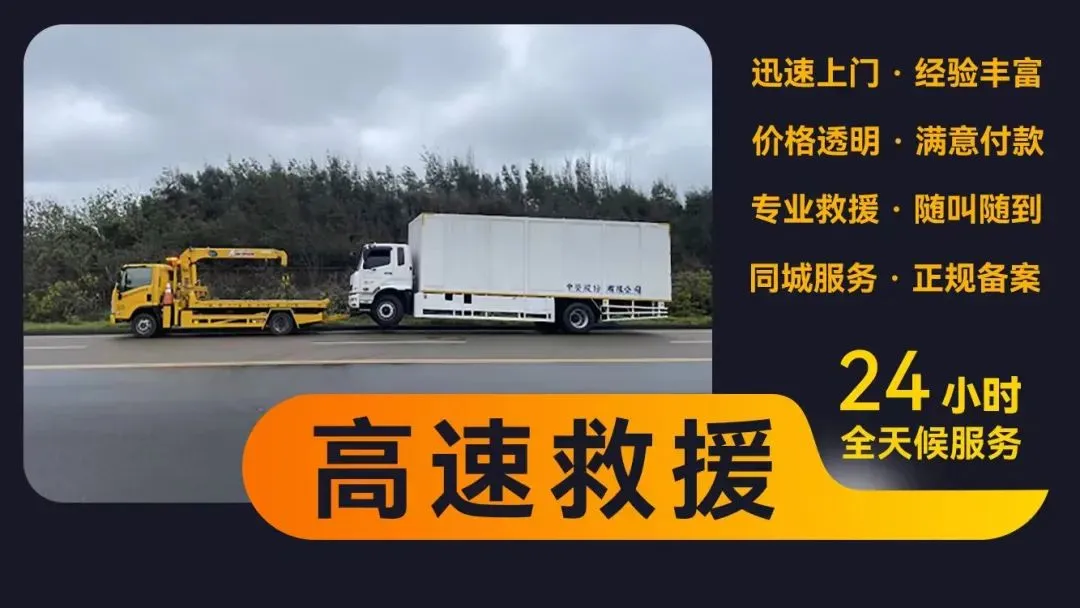
一个真实的紧急情况应对策略在高速公路上,一辆车突然无法启动,这无疑是一个令人惊慌的情况。然而,通过一些简单的步骤,我们可以快速地解决这个问题,使你的车重新上路。以下是一个详细的策略,以帮助你在这种情况下保持冷静并采取适当的行动。
首先,确保你的车已经完全停止。
如果车辆仍然在行驶中,那么首先要做的就是立即停车。这可以防止车辆失控,撞上前方或其他车辆。
第二步,检查汽车的发动机是否在运转。
如果发动机没有启动,那么你需要检查电池电量是否充足。如果电池电量低,那么你需要检查电池连接是否良好,并确定是否有其他问题导致电池电量消耗过快。
第三步,检查汽车的油压。
如果汽车的油压不正常,那么你需要检查油泵是否工作正常。如果油泵出现问题,那么你需要尽快找到一个安全的地方停车,以便进行维修或更换油泵。
第四步,检查汽车的点火系统。
如果点火系统出现故障,那么你需要检查点火线圈和火花塞是否正常工作。如果发现有问题,那么你需要尽快更换或修理它们。
第五步,检查汽车的燃油系统。
如果燃油系统出现故障,那么你需要检查燃油泵是否工作正常。如果燃油泵出现问题,那么你需要尽快找到一个安全的地方停车,以便进行维修或更换燃油泵。
第六步,如果以上步骤都没有发现问题。
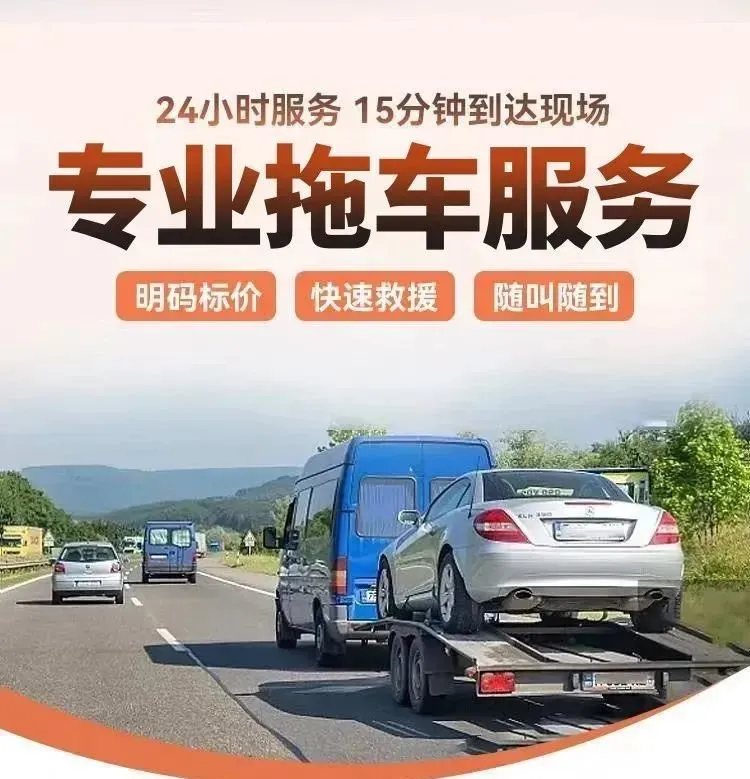
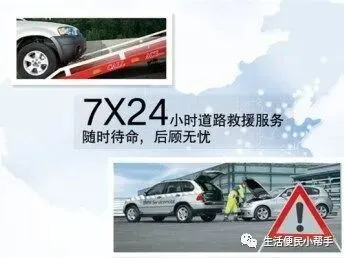
那么你需要考虑联系道路救援服务电话4008161114。道路救援服务通常会提供专业的维修人员和必要的工具来修复你的车辆。你可以拨打当地的道路救援服务热线。
 |  |
 |  |
变速箱故障无法点火的原因以及解决办法:
1. 变速箱内部损坏之后无法点火启动,是因为变速箱内置传感器损坏。
2. 可能是因为离合器磨损导致,离合器控制油路板螺丝松动,导致离合器无法正常分离。
3. 可能是发动机怠速阀损坏,或者是节气门脏污严重,也会导致怠速无法正常工作,从而无法打着火。
4. 方向盘锁死。
5. 汽油泵压力偏低或有故障。
6. 车辆的电瓶电量不足。
7. 曲轴位置传感器自身有问题。
8. 发动机内部积碳过多。
9. 车辆的点火系统存在故障。
10. 挂档机构故障。
11. 发动机内部缺缸。以上就是变速箱故障无法点火的原因以及解决办法,如果尝试上述步骤仍然无法解决,建议请专业维修人员上门检修。
Shenzhen, a city that transformed from a sleepy fishing village into a global tech megalopolis in just four decades, is now at the forefront of another revolution: the future of mobility. The story of automobiles in Shenzhen is not one of vintage classics and roaring V8s; it is a story of silent acceleration, green plates, and a city-wide experiment in electrification. As the first major city in the world to fully electrify its public bus fleet and a leading hub for electric vehicle (EV) adoption, Shenzhen offers a unique case study in how urban policy, technological innovation, and consumer behavior are reshaping our relationship with the car. This deep dive explores the city’s automotive landscape, from the dominance of its homegrown EV giants to the intricacies of its famous "green plate" policy and the practical realities of owning and operating a vehicle in this densely packed metropolis.
The most defining feature of Shenzhen's streets is the near-absence of the mechanical roar of internal combustion engines (ICE). In its place is the quiet hum of electric motors. This transformation was driven by aggressive government policy aimed at combating the city's notorious air pollution. In 2017, Shenzhen made history by becoming the first city to achieve a 100% electrified public bus fleet—over 16,000 buses. This was quickly followed by the full electrification of its taxi fleet, comprising more than 20,000 vehicles. For private car owners, the city implemented a strict vehicle quota system, where obtaining a license plate for a gasoline car is akin to winning a lottery, with incredibly low odds. In stark contrast, obtaining a license plate for a "new energy vehicle" (NEV), which includes battery electric vehicles (BEVs) and plug-in hybrid electric vehicles (PHEVs), is significantly easier. These NEVs are identified by their distinctive green license plates, a symbol of status and forward-thinking in the city. This policy has created a market where EV adoption is not just encouraged; it is practically mandatory for those who want a car without a multi-year wait.
The dominance of the local automotive industry is palpable. Shenzhen is the headquarters of BYD (Build Your Dreams), the world's largest manufacturer of electric vehicles. Founded in the city in 1995, BYD started as a battery maker and leveraged that expertise to become an automotive powerhouse. On Shenzhen's roads, you are surrounded by BYD vehicles: from the ubiquitous e6 taxis and K9 buses to the popular Han sedan and Tang SUV models favored by families. The city is essentially BYD's living, breathing showroom and testing ground. However, it's not a monopoly. Other Chinese giants like NIO, Xpeng, and Li Auto have a strong presence, and Tesla has carved out a significant niche, with its Model 3 and Model Y being a common sight in affluent districts like Nanshan and Futian. The competition is fierce, driving rapid innovation in battery technology, autonomous driving features, and in-car infotainment systems.
Understanding the technology behind these vehicles is key to understanding the Shenzhen experience. The heart of an EV is its battery pack, and Shenzhen is a global hub for lithium-ion battery research and production. BYD's proprietary "Blade Battery," a lithium iron phosphate (LFP) design known for its exceptional safety and longevity, is a prime example of local innovation. While early EVs suffered from "range anxiety," modern models sold in Shenzhen routinely offer real-world ranges of 400-700 kilometers on a single charge, making them perfectly suited for daily commutes and even trips to neighboring cities like Guangzhou and Dongguan. The city's infrastructure has kept pace. Shenzhen boasts one of the densest networks of charging stations in the world. Charging points are ubiquitous: in shopping mall parking garages, office basements, residential compounds, and dedicated charging plazas. The convenience is further enhanced by mobile apps that allow drivers to locate available chargers, check real-time prices, and pay seamlessly. For taxi and ride-hailing drivers, battery swap stations—popularized by NIO—offer a unique alternative, allowing a depleted battery to be swapped for a fully charged one in under five minutes.
The driving experience itself is shaped by the city's unique urban fabric. Shenzhen is a city of superblocks and expressways. Navigating the intricate network of elevated roads, like the Binhe Avenue Expressway, requires a car that is responsive and agile. EVs, with their instant torque delivery from a standstill, are perfectly suited for merging into fast-moving traffic. Furthermore, advanced driver-assistance systems (ADAS), such as adaptive cruise control and lane-keeping assist, are almost standard features on mid-to-high-end models in Shenzhen, making stop-and-go traffic on the Shennan Expressway less taxing. However, parking remains a monumental challenge. With a population density rivaling Hong Kong, finding a parking space in older residential areas can be a nightmare, leading to creative and often illegal parking solutions. This has fueled the popularity of compact EVs, which are easier to maneuver and squeeze into tight spots.
Owning a car in Shenzhen also comes with a specific set of maintenance considerations. For EV owners, the traditional concerns of oil changes, spark plug replacements, and exhaust system repairs are a thing of the past. Maintenance focuses on tire health, brake fluid checks (though regenerative braking reduces physical brake wear significantly), cabin air filter replacements, and monitoring the health of the high-voltage battery and thermal management system. The city is dotted with specialized EV service centers, many of which offer mobile repair vans that can perform basic services at your office or home. For gasoline car owners (a dwindling minority), maintenance is more traditional but must be done at certified centers to comply with stringent emissions testing required for the vehicle's annual inspection.
Looking to the future, Shenzhen is already experimenting with the next frontier: autonomous driving. The city has designated several pilot zones, including the Qianhai Shenzhen-Hong Kong Modern Service Industry Cooperation Zone, for testing autonomous vehicles. Companies like Pony.ai and DeepRoute.ai are running pilot robotaxi services, allowing the public to hail self-driving cars. The city's well-maintained road markings, advanced 5G network coverage, and tech-savvy population make it an ideal laboratory for this technology. The goal is not just autonomous cars but a fully integrated intelligent transportation system that manages traffic flow, public transport, and personal mobility in a single, efficient network.
In conclusion, the automotive culture of Shenzhen is a glimpse into a probable future for many megacities around the world. It is a future where the car is quiet, connected, and electric. The city's success is a testament to the power of a holistic approach: combining restrictive policies on fossil-fuel vehicles with massive investment in EV infrastructure and fostering homegrown technological champions. For the residents of Shenzhen, the car is no longer just a symbol of freedom; it is a highly efficient, technologically advanced appliance for navigating one of the world's most dynamic urban environments. The lessons learned here—about battery technology, charging logistics, and public acceptance—will undoubtedly shape the global automotive industry for decades to come.
随机文章
-
 10个月宝宝每天需要喝多少奶粉?
- 广州童画X共鸣画室|中高考寒假班招生简章
- 东莞招聘丨日结兼职、普工临时工、年前短期周结工、附近招工信息、工资9800+
- 谁的广州在消失,谁的湾区在生长
- 广州、东莞、江门试点发票抽奖
- 【广州工程技术职业学院】2026届3+证书志愿填报必需关注院校专业分数
- 法语原版「唐璜」深圳站开票,大湾区只此1站
- 谈静已任广州市委常委、宣传部部长
- 【已更新】2026广州各区初中期末试卷出炉!越秀、海珠、白云、花都、天河区…
- 深圳市2025-2026学年第一学期初三年级期末调研考试(历史、道德与法治)
- 东莞救护车转运出租‖ICU重症返乡‖跨省长途转运‖专业医护团队‖收费标准2025

